

Navigating the complexities of modern life, I’ve personally seen and experienced how crucial a holistic approach to wellness is for women’s mental well-being. It’s not just about managing symptoms, but about building a foundation of resilience and sustainability. From my own journey, prioritizing self-care and proactive strategies has been a game-changer. This means acknowledging the profound connection between our physical and mental states, understanding that one directly impacts the other. For instance, addressing fatigue and imbalance through consistent healthy habits has a ripple effect on emotional stability and cognitive function. It’s about cultivating a health-conscious approach that integrates all aspects of our daily life, recognizing that true rejuvenation comes from a place of balance and mindful discipline.
Why Your 30s Are Important For Long-Term Health?
As we transition into adulthood, particularly in our 30s, this decade presents a pivotal opportunity to seize control of our future health. It’s a time when the habits we form, whether unhealthy or beneficial, truly begin to have long-lasting effects on our body. From a personal perspective, I’ve seen how early attention to prevention can significantly mitigate the risk of developing chronic conditions like heart disease, diabetes, and hypertension later in life. This is not just about avoiding injury or dealing with inflammation; it’s about optimizing our metabolism, improving energy levels, and enhancing recovery from the daily wear and tear of stress. During this decade, focusing on nutrition through a balanced diet and ensuring adequate sleep are non-negotiable for supporting our immune system and maintaining hormonal balance. It’s about building a routine that emphasizes consistent discipline and intelligent time management to prioritize our wellbeing. The maturity and independence gained in our 30s provide a unique space for deliberate planning and responsible decision-making regarding our lifestyle. This adulthood phase, often accompanied by increased stability and even becoming more financially stable, allows for a more dedicated focus on cultivating healthy habits that yield significant long-term health benefits. It’s the perfect time to invest in ourselves, ensuring a vibrant and healthy future.
Healthy Ageing
Continuing our journey towards holistic well-being, particularly as we consider Healthy Ageing, it’s vital to shift our perspective beyond just the absence of illness to a vibrant embrace of life’s later stages. My experience, both personally and professionally, underscores that true senior wellbeing is deeply rooted in fostering a sense of purpose and active participation throughout our lives, not just in youth. It’s about building resilience against the often-overlooked challenge of age discrimination and ensuring consistent social inclusion for older people. The emphasis should be on maintaining robust physical health alongside mental health and cognitive health, recognizing their interconnectedness. Here’s how we can champion this:
- Foster Connections: Strong relationships and robust support systems are critical in combating loneliness and bolstering emotional support, fostering a profound sense of belonging.
- Ensure Stability: This comprehensive approach also necessitates attention to finances and economic stability, as these contribute significantly to overall life satisfaction and psychological health.
- Promote Engagement: We must champion initiatives that promote social engagement and provide meaningful activities, ensuring that our aging population experiences vitality and sustained self-worth.
- Advocate for Accessibility: Investing in accessible healthcare and advocating for age-friendly environments, including thoughtful elder care, ensures greater independence and a higher quality of life, allowing individuals to thrive with dignity as they age gracefully.
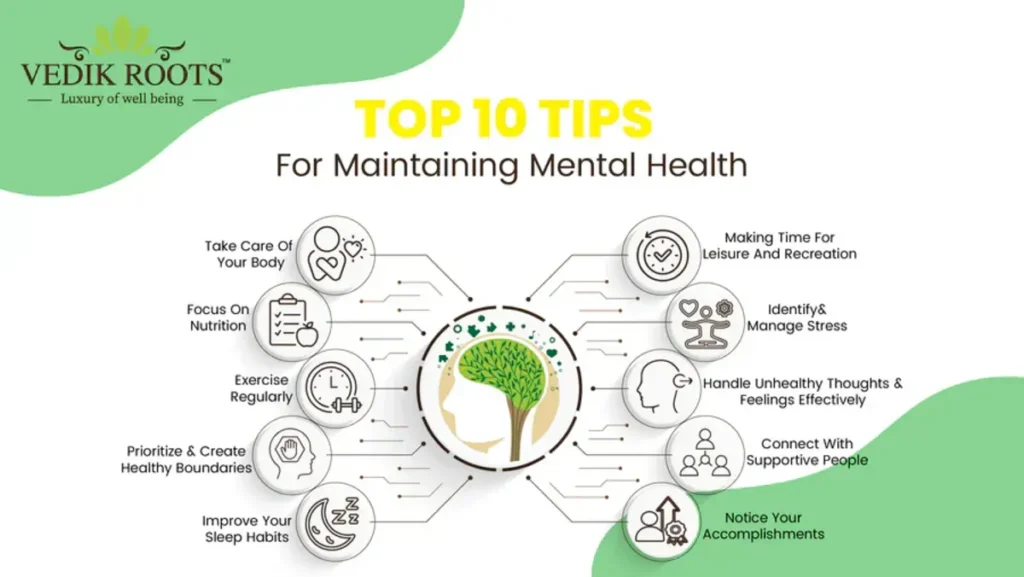
#1 Talk About How You’re Feeling
Continuing our discussion on mental wellbeing, a crucial aspect, and one I’ve personally seen make the most profound difference, is the act of openly communicating our feelings. It’s easy to feel withdrawn or isolated when experiencing sad, anxious, or even miserable emotions, which can often be exacerbated by factors like ageing or the loss of loved ones. These emotions can manifest as tiredness, sickness, sleep disturbances, gut problems, or even unexplained weight loss or weight gain, all of which can severely impact our physical health. When we feel overwhelmed, guilty, frustrated, or indecisive, our ability to concentrate diminishes, chipping away at our confidence. From my experience, allowing these feelings to remain untreated can lead to deeper issues like depression and persistent anxiety.
Here’s why opening up is so vital:
- Recognise the Signs: Learning to recognise the early signs of declining emotional health is the first step.
- Seek Support: It’s imperative to speak with trusted family, friends, a counsellor, or a doctor to talk about what’s happening. This act of communication is not a sign of weakness but immense strength.
- Reclaim Connection: Expressing our mood and seeking help facilitates a vital connection that can reignite interest and pleasure in life, fostering self-awareness and true expression.
- Empower Diagnosis: This open dialogue is often the first step towards a proper diagnosis and finding the right support for our mental health.
#2 Eat a Healthy & Balanced Diet
Building upon the importance of open communication for mental wellbeing, let’s delve into another foundational pillar: the profound impact of a healthy and balanced diet. My own journey has underscored how nourishing our body with nutritious food directly influences our brain and overall condition. As we navigate ageing, it becomes even more critical to address potential micronutrient deficiencies, which can significantly affect mental clarity and mood. Consider the vital role of vitamin B and the entire B group vitamins; these water-soluble powerhouses are essential for countless chemical reactions within our cells, including DNA synthesis, and since they aren’t stored in the body, they must be consumed regularly. My experience has shown that a deficiency in these can contribute to depressive symptoms.
Here’s how to enrich your diet for optimal mental health:
- Boost B Vitamins: Incorporate foods like pork, legumes, and leafy greens to ensure adequate B vitamin intake.
- Embrace Omega-3s: Focus on omega-3 fatty acids, particularly polyunsaturated fats, which are crucial for optimal neural structure and function. These fats have a protective effect against conditions like depression, bipolar depression, and even psychosis. Excellent sources include oily fish such as sardines, salmon, and mackerel.
- Zinc for Serenity: Don’t overlook zinc, found in nuts, seeds, oysters, lean meats, pumpkin seeds, and whole grains, as it plays a key role in numerous enzymatic processes that support mood regulation.
#3 Be Prepared for Changes
Beyond the vital roles of communication and nutrition, embracing the concept of “Be Prepared for Changes” is a cornerstone of maintaining wellbeing as we navigate ageing. From a personal standpoint, understanding and accepting the inevitable physical changes and mental changes that accompany different stages of life is empowering. Our body adapts, and so must our strategies for healthy living. For seniors, for instance, recognizing that the size of the mouth and even the capacity of the digestive system can become smaller means adjusting our approach to eating. The metabolism can also become less quick, impacting how we process food and potentially leading to a higher risk of certain conditions.
Here’s how to proactively address these shifts:
- Anticipate Sensory Shifts: Be aware that senses like sight, smell, and taste may become reduced, which can impact appetite and enjoyment of food. This requires a sharp focus on making food appealing in other ways.
- Prioritize Oral Health: Changes in the mouth, such as dry mouth and increased susceptibility to gum disease and cavities, require diligent oral hygiene to prevent painful issues that can affect overall health.
- Support Digestion and Mobility: The gastrointestinal tract can suffer from reduced efficiency in digesting food, leading to discomfort. Similarly, maintaining strong bones and joints is crucial to support mobility and reduce the risk of falls.
- Manage Medications and Mood: Be mindful of how medications might interact and contribute to side effects. Recognise that these physical changes, alongside life transitions, can sometimes contribute to low mood or even depression.
#4 Ask for Help
Following on from adapting to physical changes, a vital component of sustained mental wellbeing, especially in our later years, is the ability to “Ask for Help.” I’ve learned that true independence isn’t about doing everything alone, but rather about being resourceful enough to secure the support needed to continue living a fulfilling life. When everyday tasks like meal preparation, gardening, house cleaning, weekly cleaning, or even basic shopping and driving to the shops start to feel like a significant chore or become too difficult due to ageing, mobility issues, or medical conditions, it’s important to recognise that it’s okay to not perform these things yourself longer. It can be incredibly hard work, and trying to do it all can leave you feeling frustrated or physically drained, impacting your physical strength and emotional reserves.
Here’s why reaching out is essential:
- Maintain Your Home: If spring cleaning or general cleaning becomes too much, outside help can ensure you stay comfortable in your own home.
- Ease Daily Burden: Don’t hesitate to ask family, friends, or someone for assistance with household tasks that feel restricted.
- Consider Professional Support: For more extensive needs, like if you’re truly struggling, exploring a care facility or regular in-home assistance might be the best option to ensure your continued wellbeing.
- Prioritize Well-being: Asking for help regularly for tasks like meal preparation allows you to preserve your energy for activities that truly enrich your life.
#5 Be Socially Active Be Socially Active
Following on from the wisdom of asking for help, another cornerstone for robust mental health and wellbeing, especially as we age, is the imperative to “Be Socially Active.” From my personal observations and experience, the profound positive impact of staying socially connected cannot be overstated; it truly boosts our self-confidence and overall brain health. For the elderly, particularly, the risk of isolation and loneliness is unfortunately long and pervasive, often exacerbated by financial hardship, the death of loved ones who have passed away, or challenges like losing the ability to drive or being unwell, making it harder to get out. It can become harder to maintain existing relationships or forge new ones when loved ones move away or when physical limitations keep us confined to our own home.
Here’s why fostering social engagement is vital:
- Combat Isolation: Actively maintaining contact with friends, family, and a broader social network is crucial. Researchers consistently link isolation in elderly people to detrimental effects on physical health, akin to the dangers of smoking and obesity.
- Embrace New Avenues: Don’t let distance be a barrier. Utilise technology and information communication platforms like social media for virtual catch-ups and conversations, helping you live a more connected life even from home.
- Seek Stimulating Activities: Fill your calendar with activities that you look forward to. Participate in community courses, pursue new or old hobbies, or find a shared facility where you can spend your days.
- Rekindle Connections: Reaching out to old friends and making new ones through structured social engagement can be incredibly stimulating. It ensures you’re not inactive and that the basics of human connection are met, reducing the pervasive loneliness.
#6 Be Physically Active
Following our exploration of social engagement, integrating “Be Physically Active” into your daily life is undeniably one of the most impactful strategies for supporting mental wellbeing. From my personal and professional experience, even a couple of 10-minute sessions of light exercise can significantly reduce stress and elevate mood through the release of endorphins, providing immense benefits for both brain and overall health. It’s not about becoming a professional athlete, but about being active throughout the day, recognising that every movement contributes to our well-being. For adults and particularly older individuals, staying physically active is crucial for maintaining mobility and mitigating the risk of falls. Even if you have mobility issues or even if you can’t stand, there are ways to remain engaged.
Here’s how to embrace physical activity:
- Diverse Activities: Try a variety of activities to engage different aspects of your body. This could include dancing, walking, cycling, or swimming.
- Strengthen Bones and Muscles: Incorporate strength training and weight-bearing exercises like gardening or taking the stairs to build strong bones and muscles. For those aged 65 and over 60’s, focusing on balancing exercises is also key.
- Daily Movement: Aim for at least 30 minutes of moderate activity every day. Even simple acts like standing more can improve blood circulation.
- Adapt and Overcome: If standing is challenging, exercise from a chair can still provide significant benefits, improving your health condition and overall vitality.
#7 Stay Mentally Active Stay Mentally Active
Complementing physical activity, nurturing our brain through “Stay Mentally Active” is equally fundamental for lasting mental wellbeing. It’s a principle, as researchers often emphasize with the saying “use it or lose it,” that I’ve personally found to be profoundly true: a regular dose of mental exercise is as crucial as physical fitness. Just like our body needs workouts, our minds require consistent engagement to maintain optimal function and prevent cognitive decline. It’s about ensuring our brain function remains sharp and adaptable throughout life.
Here’s how to give your brain the stimulation it needs daily:
- Embrace Learning: Learn a new language, embark on a new course on any subject you’re interested in, or simply read a new book or paper.
- Challenge Your Brain: Engage in brain teasers like crossword puzzles, quizzes, and board games such as Scrabble, chess, Trivial Pursuit, or Yahtzee. Even a simple game of cards can provide a great mental workout.
- Cultivate New Interests: Taking up a new hobby not only offers a fresh challenge but can also improve overall mental fitness and potentially ward off memory loss.
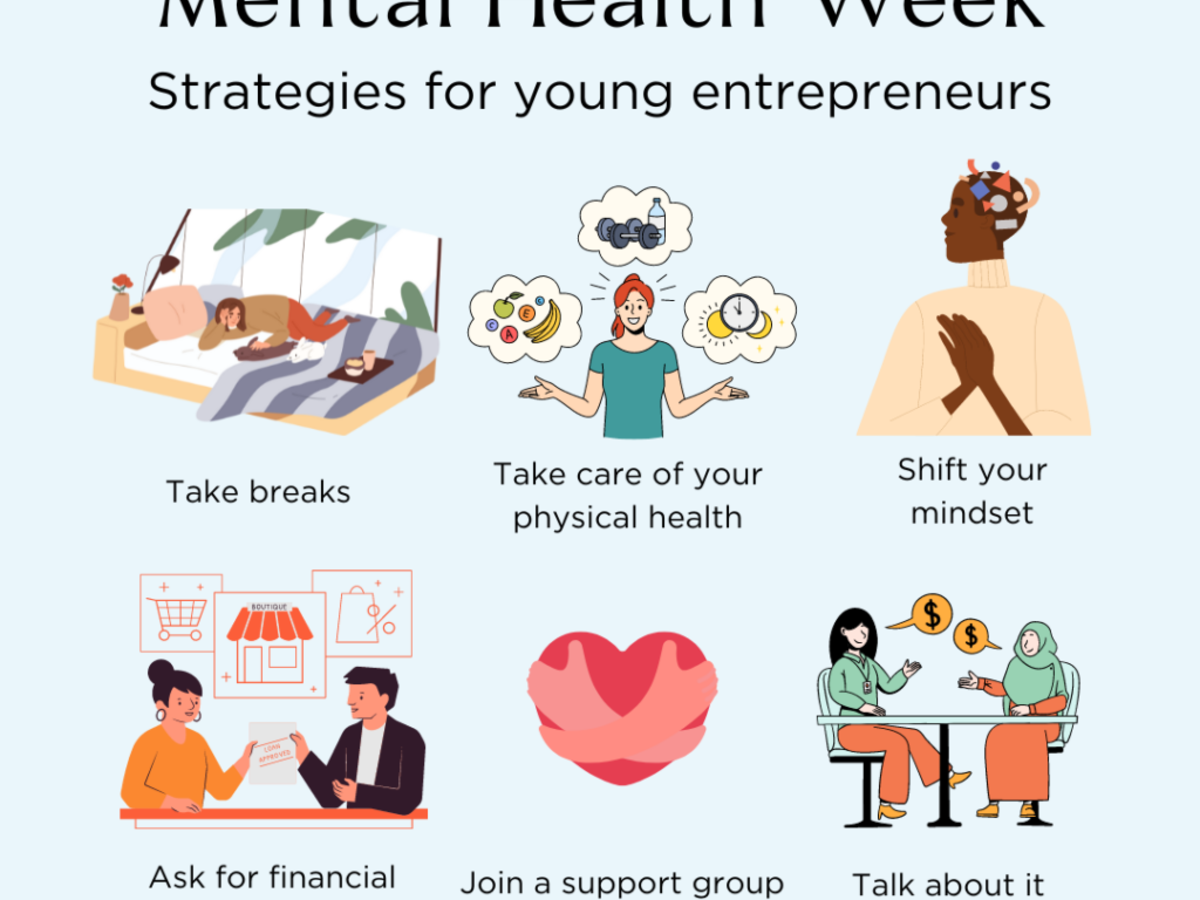
#8 Don’t Stop Working Don’t Stop Working
Building on the importance of mental stimulation, the notion of “Don’t Stop Working” is a powerful, albeit often misunderstood, tenet for sustained mental wellbeing. From my personal observations, the concept isn’t solely about paid work or a formal career; it’s about maintaining a profound sense of purpose and staying meaningfully active throughout life. Many seniors find themselves retired and, if they simply step back from the workforce entirely without a plan, they can easily struggle with feelings of loneliness and even depression. The key is to avoid becoming totally inactive.
Here’s how to stay engaged and find purpose:
- Explore New Avenues: If a traditional career is no longer suitable or possible due to requirements, consider volunteer work. There are abundant volunteer opportunities to help others, allowing you to contribute to society and spend time productively.
- Find Your Community: Look for local groups and associations that align with your interests. This could be anything from ad hoc projects at the council to joining a book club.
- Stay Connected: These activities provide a fantastic way to meet new people and expand your social circle, keeping you in regular touch with others and preventing isolation.
- Embrace Goodwill: The goodwill generated from helping others and being part of a community can be incredibly rewarding, ensuring you remain active and fulfilled, even if it’s not traditional work within an office or house.
#9 Join a Social Group
Building on the concept of maintaining a sense of purpose through engagement, “Join a Social Group” stands out as a direct and highly effective way to bolster mental wellbeing, particularly for seniors. My experience has shown that simply finding an activity or a group to join can drastically reduce feelings of isolation and enrich daily life. It’s not about grand gestures, but about making consistent efforts to connect. For many, after their friends or family move away or pass on, it can be challenging to rebuild a social circle, but the available options are more extensive than one might think, even in a vast metropolitan area like those in Australia.
Here’s how to find your tribe and flourish:
- Explore Local Offerings: Begin by finding what’s offered in your local area. This could be anything from walkers and walking groups to knitting groups, bushland carers, or even men’s sheds.
- Embrace Physical Activities: Look for exercise classes at your local shopping centre or community center. For those who enjoy the outdoors, joining cyclists or other outdoor activity groups can be a great way to combine physical and social engagement.
- Simply Get Together: The core idea is to find groups of seniors who get together regularly. The act of gathering, having a talk, and sharing experiences is immensely beneficial for fostering a sense of community and belonging.
#10 Have a Plan Have a Plan
Building upon the benefits of social connection, another powerful tool for bolstering mental wellbeing is to “Have a Plan.” From my experience, proactive planning, particularly for older people, can significantly reduce the burden of worry and the tendency to spend time stewing over potential future problems. It’s about taking control where you can, rather than allowing nothing to change a difficult situation. Whether it’s caring for others or navigating personal challenges, having a clear plan makes you more likely to overcome obstacles and prevents those anxious feelings from becoming overwhelming.
Here’s why planning is so crucial:
- Proactive Problem Solving: Rather than letting anxieties about transport, financial situations, relationship problems, or even difficult subjects like funeral arrangements build up, research options, talk to a family member or someone, and draw up a plan that offers a solution.
- Reduce Worry: When you have a roadmap, you’re less likely to worry about things like potential costs or how certain issues will influence your health, both physical health and mental.
- Empowerment: This proactive approach means you’re not just passively hoping things will improve; you’re actively working to solve problems.
- Flexibility is Key: While it’s good to write down your intentions, remember that a plan should be flexible and can continually be adjusted as life unfolds. This approach reduces feelings of being angry or worried and instead fosters a sense of preparedness.
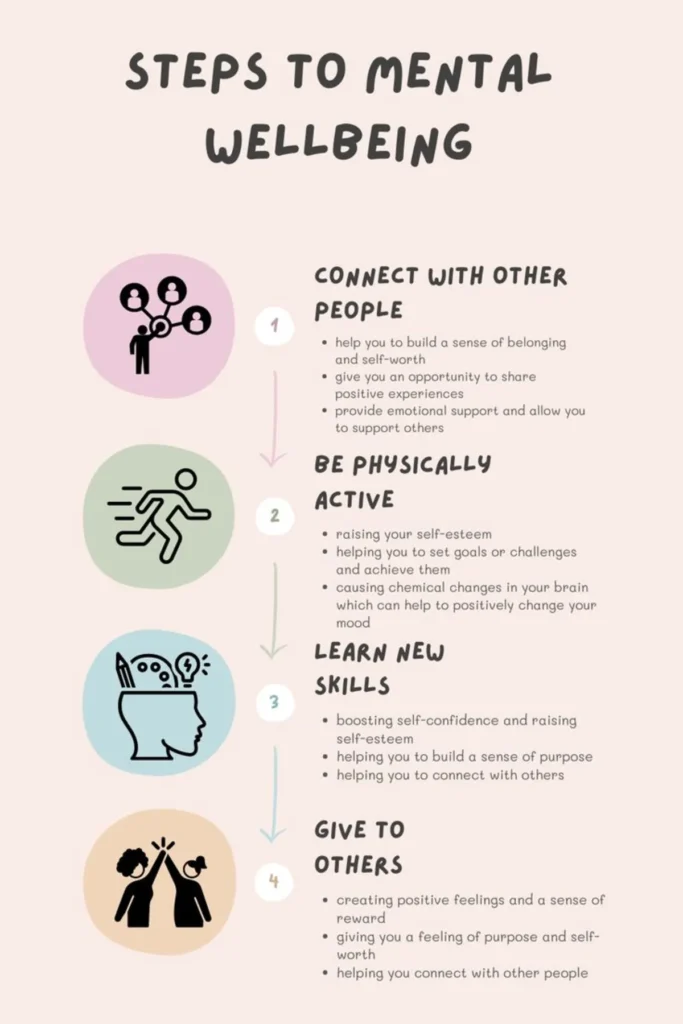
SOME MORE MAIN POINTS TO BE NOTED
Healthy Diet: Nutrition for a Healthy Mind
Building on the importance of proactive planning, let’s circle back to a cornerstone of mental wellbeing: a “Healthy Diet: Nutrition for a Healthy Mind.” My personal journey and professional observations have consistently reinforced that what we food our bodies with directly impacts our brain and overall health. It’s not just about physical vitality; a truly rounded diet can significantly improve cognitive function and regulate mood, making us feel well from the inside out. Specifically, certain foods can reduce inflammation and support gut health, which researchers are increasingly linking to conditions like anxiety.
Here’s how specific nutrients can elevate your mental game:
- Brain-Boosting Fats: Incorporate healthy fats found in salmon, nuts, and avocados. These contribute to crucial brain processes.
- Antioxidant Powerhouses: Fill your plate with blueberries, tomatoes, and dark leafy greens which are rich in vitamins and minerals, acting as powerful antioxidants.
- Gut-Friendly Foods: Include yogurt and other fermented foods to nurture your gut health, which in turn has a profound effect on mood and overall wellbeing.
- Sustained Energy: Choose whole grains like quinoa, beans, and other legumes to maintain energy levels throughout the day. Lean proteins from sources like lean red meat and other vegetables also play a vital role in sustained energy and repair.
- Calming Brews: Don’t underestimate the power of a simple cup of green tea, known for its calming properties.
Quality Sleep: Prioritizing Rest and Recovery
Building upon the bedrock of a healthy diet, “Quality Sleep: Prioritizing Rest and Recovery” stands as an equally critical pillar for robust mental health and overall wellbeing. From my personal experience, the profound impact of a good night’s rest on brain function is undeniable; it’s when our healthy brain consolidates learning, refines problem-solving abilities, and strengthens decision making. The challenges of aging can sometimes make sleep more elusive, yet it remains absolutely vital for both our physical health and mental clarity. It’s not just about getting to bed; it’s about fostering conditions for truly quality sleep.
Here are essential sleep tips to help you achieve solid sleep, especially as you navigate sleep when aging:
- Establish Routine: Strive for a regular bedtime and try to get up early at a consistent time. This routine helps set your body’s internal clock.
- Optimize Your Sleep Environment: Ensure your bedroom is dark and quiet. A dark bedroom is crucial for melatonin production.
- Mind Your Intake: Limit caffeine and alcohol, especially too late in the day, as both can significantly disrupt your sleep cycle.
- Embrace Natural Light: Get natural light exposure, particularly early in the day. This helps regulate your circadian rhythm.
- Wind Down: Avoid screens before going to bed to help quiet your brain. Instead, engage in relaxing activities.
- Holistic Health: Remember that proper exercise and to eat well during the day contribute immensely to better sleep quality.
- Aim for Enough: While individual needs vary, generally strive for around eight hours of quality sleep to truly feel well and restored.
Seek Help When Needed: Importance of Professional Support
Continuing our journey through the pillars of mental health, the ability to “Seek Help When Needed: Importance of Professional Support” is paramount, and something I advocate for strongly based on both personal conviction and professional understanding. It’s easy to feel alone when experiencing persistent sadness, mood swings, low energy, or feeling overwhelmed and irritated. We must learn to recognize these changes in ourselves and our feelings. If you notice a shift, or if you feel tired of struggling, it’s an important sign that you might need to seek help. Sadly, the stigma surrounding mental health can make it hard, but I assure you, reaching out is a sign of immense strength, not weakness.
Here’s how to access the professional support you might need:
- Diverse Options for Connection: Don’t hesitate to call, text, or chat with a professional. There are many options available for connecting, even specialized services like ASL Now for specific needs.
- A Spectrum of Professionals: Depending on your concerns, you might benefit from talking with a counselor, therapist, psychologist, or even a psychiatrist for medication management.
- Community and Peer Support: Beyond individual therapy, consider joining support groups or engaging in group therapy. These provide invaluable social support and a sense of shared experience, often facilitated by national organizations or regional organizations.
- Immediate Crisis Support: If thoughts of self harm or suicide arise, it’s a crisis situation demanding immediate attention. Please, dial a dedicated lifeline for urgent response; your life is precious.
- No One is Too Old to Seek Help: This applies to everyone, including older individuals. It’s never too late to get the support you deserve.
Stay Positive: Cultivating a Positive Outlook on Aging
Following our emphasis on seeking professional help when needed, another powerful strategy for fostering robust mental health and overall wellness is to “Stay Positive: Cultivating a Positive Outlook on Aging.” From my personal experience, I’ve observed how easily negative thoughts about aging can begin to spiral, leading to increased anxiety and stress. It’s crucial to understand that our outlook profoundly influences our experience. While it requires conscious effort and consistent practicing, shifting to a more positive mindset is entirely achievable and can transform our later years into truly meaningful years.
Here’s how to cultivate a more positive perspective:
- Recognize and Examine: The first step is to recognize when unhealthy or negative thoughts are creeping in. Take a step back and examine the thought itself.
- Question and Reframe: Question the accuracy of these thoughts. Is this truly accurate, or is it just a fear? Then, consciously reframe them by replacing them with more positive and accurate ones.
- Mindfulness and Presence: Practice mindfulness to stay grounded in the present moment. This helps to avoid dwelling on past regrets or future anxieties.
- Identify Triggers: Pay attention to what triggers your negative thoughts. Once identified, you can learn to control your reaction or even avoid certain situations if necessary.
- Connect and Engage: Stay busy and actively connect with friends and those you love. Social engagement can significantly contribute to a more positive perspective.
- Call Back Positivity: When you feel a negative thought taking hold, call back to mind moments of joy or gratitude. Focus on what you count rather than what you might lose ability. This active reframe helps to ensure a brighter perspective.
Conclusion
By consciously embracing these practices, from openly discussing our feelings and prioritizing a nurturing diet to remaining physically and mentally engaged, we empower our mental health at every age. It’s about making a deliberate connection with our inner self and our surroundings, fostering friendship and love in every moment. The key to navigating the years to come lies in staying alert, consistently learning, growing, and finding creative ways to feel fulfilled. If we think about our current holistic wellbeing and actively implement these strategies, we can ensure a life of sustained vitality and joy.For more information visit Truevoria.com
FAQs
How to maintain and improve mental health?
To maintain and improve mental health:
- Nurture relationships with family, friends, and romantic partners for strong social support.
- Prioritize physical well-being through a healthy eating pattern, regular physical activity, and good sleep.
- Engage in meaningful activities like volunteer work, community involvement, and continued educational experiences.
- Seek healthy working conditions that provide purpose and balance.
- Ensure a safe and stable living environment for overall security and comfort.
How to support someone with a mental health problem?
To support someone with a mental health problem:
- Express concern and listen actively, validating their feelings without judgment.
- Offer reassurance that help is available and problems can be treated.
- Encourage and facilitate professional help, offering to research options or even accompany them.
- Be responsive to their needs and ask open-ended questions.
- Provide practical support with daily tasks if they’re struggling.
- Recognize crisis signs and know how to access immediate help if needed.
How can mental health affect everyday life?
Mental health significantly affects everyday life by causing a lack of energy, making work and daily tasks challenging. It can lead to reduced physical activity, strain relationships, and increase the risk of various health problems.
Why is good mental health important?
Good mental health is crucial because it makes life easier. It empowers us to feel calm and find comfort when we’re upset, and to effectively cope with life’s losses, changes, fears, and uncertainties. It enables us to build and maintain strong relationships with other people and gives us the capacity to learn and grow.
What are the factors affecting mental health?
Mental health is affected by:
- Life experiences like trauma and abuse.
- Family history of mental health problems.
- Lifestyle choices including diet, physical activity, and substance use.
What are the activities to improve mental health?
To improve mental health, engage in:
- Regular exercise to reduce stress and boost mood.
- Mindfulness for calm.
- Healthy eating and sufficient sleep for brain function.
- Connecting with others for support.
- Pursuing hobbies and creative expression for enjoyment and emotional outlet.

[…] where mental health is truly understood, prioritized, and fully supported. Just as there are top health and wellness tips for supporting women’s mental well-being, it’s equally important to focus on men’s mental health to ensure everyone’s needs are […]