
What Is Health Information Management?
From my own experience in the healthcare sector, I’ve seen how the creation, storage, and maintenance of enormous amounts of data—everything from a record of a patient’s symptoms, demographics, and outcomes—can transform the way providers improve the level of care they offer. At the heart of this process lies health information management, a critical role within the field, where professionals are working directly at the intersection of technology and patient services. What makes it truly interesting is that the more you get to know this discipline, the more you realize how it silently powers the quality of modern care.
Every year, Men’s Mental Health Awareness Month serves as a reminder of how important it is to address the struggles men face but often keep hidden. From work pressures to personal challenges, many men avoid seeking help due to stigma. This month encourages open conversations, early intervention, and support systems that promote well-being while breaking stereotypes around masculinity and mental health.

What Does a Health Information Manager Do?
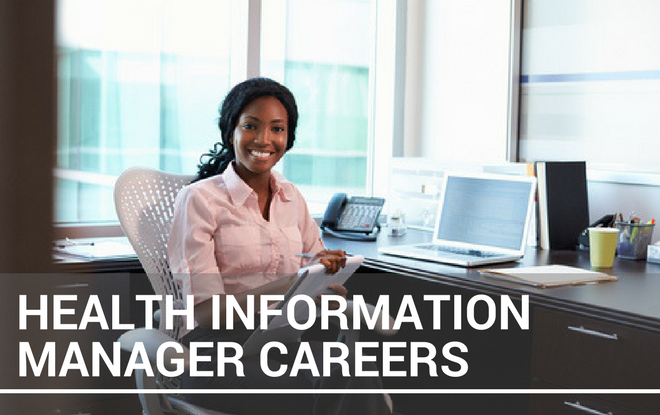
A health information manager plays a vital role in healthcare, combining their skills in administration, IT, and data tracking with the ability to perform analysis that benefits both providers and patients. These professionals are responsible for carefully collecting details such as diagnoses, symptoms, test results, medical histories, treatments, procedures, and outcomes. By keeping records secure and organized, they ensure providers can access vital patient information quickly and easily. They not only manage traditional paper records but also guide the transition from older analog systems to new digital ones, working with staff across different sectors and facilities. Their role helps maintain compliance with private data requirements, ensuring patient trust.
From my own experience, I’ve seen how these managers become the bridge between data and care delivery. By streamlining documentation and helping teams identify patterns, they make it possible for healthcare professionals to focus more on patients rather than paperwork. Whether in hospitals, clinics, or community facilities, their ability to adapt and work across a variety of capacities makes them indispensable in improving patient outcomes.
Key Points:
- Combine skills in administration, IT, and data tracking
- Collect and organize diagnoses, symptoms, test results, histories, treatments, procedures, outcomes
- Keep information secure, organized, and accessible to providers
- Manage traditional paper records and guide digital transition
- Ensure compliance with private data requirements
- Work with staff across different sectors and facilities
- Support healthcare teams by reducing paperwork burden
- Help identify patterns, risks, and improve decision-making
- Maintain patient trust through data integrity
- Act as a bridge between clinical work and information systems
What Skills Does a Health Information Manager Need?
Analytical Skills
Health information managers must work with large amounts of data, applying strong analytical skills that allow professionals to think critically, understand, and analyze information. In my experience, this skill is what helps catch errors before they become serious problems, ensuring patient details are always accurate.
Key Points:
- Work extensively with data
- Apply analytical skills to spot errors
- Think critically and solve challenges
- Understand and analyze datasets
- Apply new methods to improve accuracy
Technical Skills
In the HIM field, technical skills are essential to perform the job. From medical billing to fluency in diagnosis codes and abbreviations, these abilities keep workflows compliant. I’ve seen how coding accuracy directly impacts reimbursement and prevents delays.
Key Points:
- HIM field requires technical skills
- Handle medical billing efficiently
- Be fluent in diagnosis codes and abbreviations
- Perform job tasks with precision and compliance
Project Management
Health information management professionals often oversee projects with multiple moving parts, requiring them to guide teams, assign roles, and ensure timely completion. Personally, I’ve noticed strong project leadership can save months of wasted effort during system upgrades.
Key Points:
- HIM professionals manage projects with many parts
- Set pace and assign responsibilities
- Keep team organized and moving
- Play an important role in ensuring completion
- Maintain progress in the field
Compliance Comprehension
HIM professionals regularly interact with regulatory departments to help healthcare businesses understand laws and privacy regulations. By ensuring organizations maintain data security, they allow facilities to thrive. From what I’ve seen, this is one of the toughest yet most critical parts of the role.
Key Points:
- Work with regulatory departments
- Ensure healthcare businesses comply with laws
- Apply privacy regulations effectively
- Maintain data security at all times
- Support organizations to thrive with compliance
Collaboration
In the HIM field, professionals must collaborate with healthcare providers, collect patient data, and work closely with others in health information management. I’ve seen how strong collaboration reduces errors and builds smoother workflows.
Key Points:
- HIM field demands teamwork
- Professionals must work with healthcare providers
- Collect patient data effectively
- Share common files for consistency
- Build trust through cooperation
Communication
Clear communication skills are vital for HIM professionals in the medical department to track patient data properly. From my perspective, poor communication is often the reason good systems fail.
Key Points:
- Strong communication skills are essential
- HIM professionals track patient data
- Required in the medical department
- Prevent errors through clarity
Leadership Skills
In health information management, professionals often step into a role of enforcing rules, regulations, and ensuring healthcare privacy. Good leaders protect patients and build confidence within medical institutions. I’ve personally seen leadership make or break a facility’s compliance culture.
Key Points:
- Professionals lead in the health information management field
- Uphold rules and regulations
- Safeguard healthcare privacy
- Protect patients and facilities
- Leadership inspires trust and compliance
Importance of HIM
Health Information Management (HIM) is essential for ensuring that accurate, complete, and secure health information is always available when needed. By managing information properly, HIM professionals directly support high-quality patient care while also keeping healthcare operations efficient. They play a critical role in ensuring compliance with legal and regulatory standards, protecting patient privacy and data security. In my experience, working with HIM systems has shown me how vital it is to have well-organized information to avoid delays in treatment. HIM professionals not only handle the technical side of data but also make sure healthcare providers can trust the system they rely on every day. When records are managed effectively, patients receive better care, providers make faster decisions, and organizations save both time and costs. The work of HIM professionals contributes to improved outcomes, building stronger confidence between patients and doctors. By focusing on accuracy and security, HIM boosts the overall efficiency of healthcare delivery.
Bullet Points
- Essential for accurate, complete, and secure health information
- Makes patient data available when and where it’s needed
- Supports high-quality patient care with reliable records
- Ensures efficient healthcare operations and smooth workflows
- Maintains compliance with legal and regulatory standards
- HIM professionals play a critical role in healthcare systems
- Effective management contributes to improved outcomes
- Protects privacy and safeguards patient trust
- Enhances the overall efficiency of care delivery
- Builds confidence by ensuring data is reliable and secure
Where Do Health Information Managers Work?
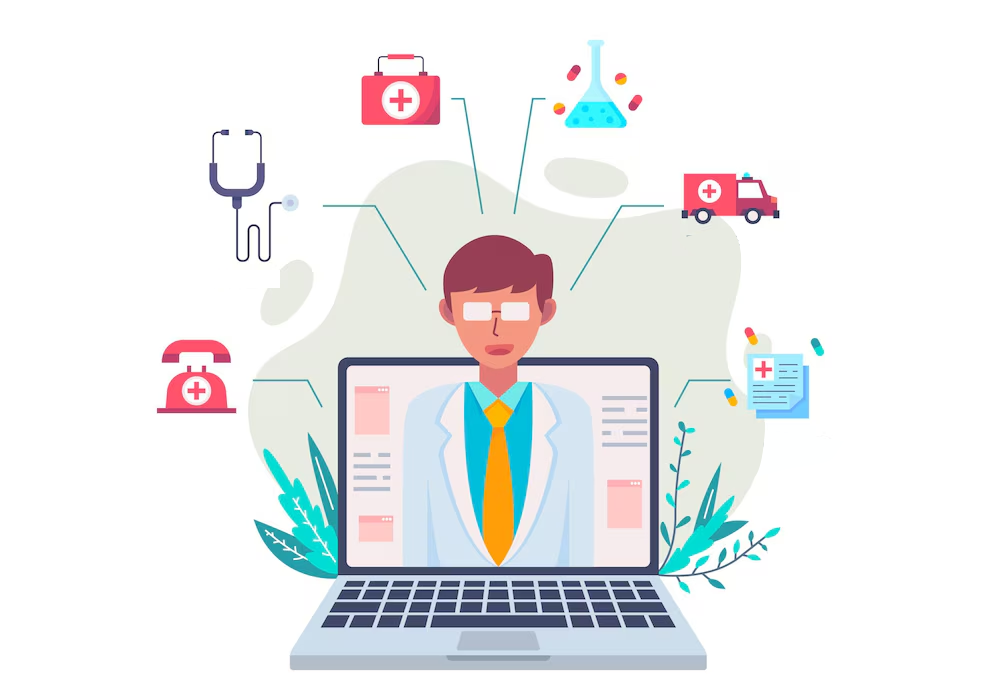
Health information managers have the flexibility to work in many different environments, businesses, and sectors, depending on their expertise and interests. They are a vital part of hospitals, ensuring records are properly organized and secure. In doctors’ offices, they manage patient histories, lab results, and treatment information. Some move into pharmaceutical firms, where they oversee data for clinical trials and research compliance. Insurance companies also employ them to process claims, verify codes, and ensure accurate reporting. I have seen HIM professionals play a big role in software companies, especially in building and maintaining electronic health record (EHR) systems. They are equally important in home health agencies and nursing homes, where patient safety depends on accurate record-keeping. Others go into consulting, guiding organizations on compliance and best practices. With digital medicine growing, many are joining telehealth companies, where managing information securely is more important than ever. This variety shows the demand and versatility of HIM across modern healthcare.
Bullet Points
- Work across multiple environments, businesses, and sectors
- In hospitals, manage patient records and compliance
- In doctors’ offices, oversee test results and treatment data
- Pharmaceutical firms hire them for research and clinical trials
- Insurance companies need HIM professionals for claims and coding
- In software companies, they help design EHR systems
- Essential for home health agencies and nursing homes
- As consultants, they guide compliance and best practices
- Increasing demand in telehealth for secure data management
- Show versatility and high demand in today’s healthcare field
1. Health Information Manager
- Oversees the collection, storage, and protection of patient health information.
- Ensures that only authorized users have access to sensitive records.
- Works closely with doctors, nurses, and IT staff to organize and manage data.
- Plays a key role in both traditional paper records and modern digital systems.
- Ensures compliance with privacy regulations like HIPAA.
2. Data Analyst
- Studies healthcare patterns and trends to improve patient care and community health.
- Uses numbers and data to identify treatment outcomes and resource needs.
- Helps healthcare facilities make informed decisions with accurate analysis.
- Works with software tools, statistical models, and big data systems.
3. Compliance Officer
- Monitors a healthcare facility’s adherence to laws and regulations.
- Ensures patient privacy is maintained across all departments.
- Advises healthcare leaders on compliance with local, national, and AHIMA standards.
- Prevents costly penalties by keeping the organization compliant with data regulations.
4. Clinical Documentation Specialist
- Reviews patient medical records to ensure accuracy and completeness.
- Verifies that diagnosis codes, procedures, and treatments are correctly documented.
- Ensures healthcare staff comply with privacy rules and coding standards.
- Plays an important role in insurance claims and medical billing accuracy.
5. Clinical Systems Manager
- Manages the technology systems used in hospitals and clinics.
- Works with IT and medical staff to integrate new tools and software.
- Oversees updates, security, and performance of electronic health record systems.
- Ensures that technology supports both data collection and patient treatment effectively.
6. Medical Research Manager
- Supervises clinical trials and manages patient data for new medicines and treatments.
- Ensures confidentiality and ethical standards are followed in research.
- Analyzes trial outcomes and reports results to doctors and research boards.
- Bridges the gap between medical research and practical patient care.
7. Medical Records Technician
- Specializes in coding, indexing, and tracking patient data.
- Works as a health information specialist or medical coder.
- Ensures diagnostic codes and treatments are properly recorded.
- Supports doctors and nurses with quick access to patient records.
8. HIM Director
- Leads the entire health information department in a facility.
- Ensures the organization follows laws, rules, and regulations.
- Provides leadership to staff in data management and compliance.
- Requires years of experience in both management and HIM.
9. HIM Consultant
- Advises healthcare facilities on data management and regulatory compliance.
- Provides custom solutions to improve HIM systems.
- Helps organizations with transitions, like moving from paper to digital.
- Often works independently or through consulting firms.
How Do I Become a Health Information Manager?
- To become a health information manager, candidates need a solid foundation in education, training, and experience within the field of healthcare and IT.
- Most jobs in this area require at least a bachelor’s degree in health information management or a related medical or administration program.
- Many professionals choose to pursue a master’s degree or even an MBA in healthcare management for advanced careers such as director roles.
- Some universities, like UTC, offer specialized programs that combine healthcare and information technology to prepare candidates for future HIM roles.
- Obtaining certification is a critical step; the American Health Information Management Association (AHIMA) offers the Registered Health Information Administrator (RHIA) certificate, which many employers require.
- For those pursuing a career in a nursing home or long-term care facility, a license may also be required, especially for administrators.
- Professional certification not only boosts job opportunities but also shows expertise in handling health information securely and efficiently.
- HIM professionals often begin with entry-level jobs, gain experience, and then move toward leadership roles through additional education and certifications.
- The overlap of medical knowledge and IT skills makes this career both challenging and rewarding, offering a wide range of future opportunities.
- Overall, candidates who combine strong education, training, and professional development can build a long, successful career in health information management.
FAQs About HIM
What is information management and its importance?
Information management is the process of collecting, storing, organizing, and using data so it can be applied effectively in decision-making. Its importance lies in ensuring that the right people have access to the right information at the right time, helping organizations stay efficient, secure, and competitive.
What are the four main functions of information management?
The four main functions include:
- Collection – Gathering data from different sources.
- Storage – Keeping information secure and organized.
- Processing – Turning raw data into meaningful insights.
- Distribution – Making sure information reaches those who need it.
Why is information important?
Information is important because it supports decision-making, problem-solving, planning, and innovation. Without accurate information, individuals and organizations risk errors, inefficiency, and missed opportunities.
What are the benefits of information?
The benefits of information include:
- Helping organizations make informed decisions.
- Improving efficiency and productivity.
- Supporting compliance and reducing risks.
- Providing insights into trends, opportunities, and challenges.
Why is it important to control information?
Controlling information ensures that sensitive data stays secure, accurate, and accessible only to the right people. It helps organizations comply with legal requirements, avoid breaches, and maintain trust.
Why is the need of information important?
The need for information is important because it drives learning, growth, and adaptation. In healthcare, business, or education, timely and reliable information is the foundation for progress and success.
Why is financial information important?
Financial information is essential for budgeting, investment strategies, risk assessment, and growth planning. Without it, businesses and individuals can’t track their progress or identify opportunities.
