

What is The Health Triangle
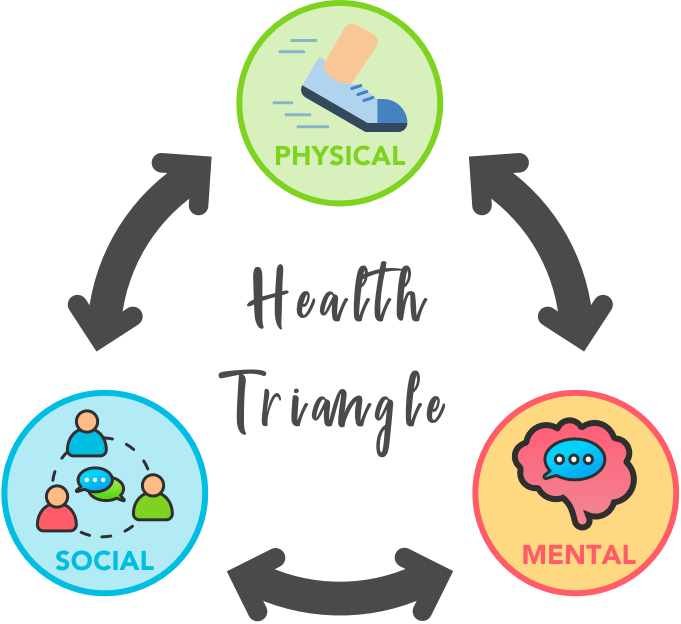
When I first learned about the health triangle, I realized it’s more than just a simple model—it’s a representation of how different aspects of life come together to shape our overall wellbeing. This wellness triangle has three distinct sides that each contribute to the body’s ability to function at its best. For me, understanding how to measure not only physical health but also mental and social aspects changed how I viewed overall wellness. When one area is neglected, the balance shifts, and the body loses its efficiency, making it hard to stay in an optimal state. But when all parts are nurtured, you reach a balanced state where your lifestyle feels efficient and sustainable.
What are the Three Sides of the Health Triangle
The health triangle is built on three sides: physical health, mental health, and social health. Each plays an essential role in shaping overall health. Many people may have heard of this idea, but not everyone is fully aware of how deeply these areas are connected. When I was in school and at home, I was often taught that nutrition, exercise, and sleep were the foundation of physical health, though like many kids, I paid little attention to it.
As I kept growing up, it wasn’t completely new to realize that setting the right priorities for mind and relationships mattered just as much. I noticed that when I neglected even one side, I felt stuck, and it became clear that true balance in the health triangle comes from maintaining all three together.
Physical Health
Physical health is about the body’s ability to function normally and keep everything operating as it should. From a young age, I learned that a good diet and proper nutrition are just as vital as regular physical activity and consistent exercise. Getting enough sleep allows the body to recharge for the next day, making it easier to stay energized and productive. I also realized how important hygiene is—keeping teeth healthy, the body clean, and hair clean all fall under taking care of yourself. When these habits come together, they form the real foundation of strong physical health.
Key Components of Physical Health
- Exercise
- Regular exercise and physical activity are essential for good health.
- The American Heart Association recommends at least 150 minutes of moderate aerobic activity per week along with strength training twice a week.
- This routine boosts physical fitness, enhances stamina, and helps in releasing endorphins.
- It plays a major role in improving mood, reducing anxiety, and supporting mental health.
- Regular exercise and physical activity are essential for good health.
- Nutrition
- Proper nutrition through an eating plan that includes a balanced diet of fruits, vegetables, whole grains, and lean proteins strongly supports physical health and mental health.
- Nutritious foods fuel the body for physical activities and strengthen the immune system.
- Making good food choices consistently leads to a good foundation for overall wellbeing.
- Proper nutrition through an eating plan that includes a balanced diet of fruits, vegetables, whole grains, and lean proteins strongly supports physical health and mental health.
- Sleep
- Sleep of high quality is vital for the body to recover and rejuvenate.
- Experts recommend 7–9 hours of restful sleep each night.
- Sleep deprivation has been linked to mood disorders, depression, and anxiety, showing its strong importance for both mental health and physical balance.
- Sleep of high quality is vital for the body to recover and rejuvenate.
What is Mental Health
Mental health is about the state of your thoughts, feelings, and emotions, and how these shape your daily life. It also includes how well you handle stress, anxiety, or even anger, since these are an encompassed part of our human experience. Good mental health reflects the ability to cope with challenges, accepting that struggles are a normal part of life. Being aware of your behavior and maintaining a positive outlook is important, because being healthy mentally not only keeps you balanced but also enables you to learn and develop new skills.
I’ve noticed in my own journey that every stage of development comes with new skills, behaviors, and knowledge that help you grow as an individual. This kind of learning naturally increases self-confidence, shapes awareness, and strengthens self-perception. It’s important to recognize that mental health affects every area of life, and reflecting on it reminds me how a great article or even a small insight can push someone toward healthier growth.
Key Components of Mental Health
- Stress Management
- Effective stress management is essential because chronic stress can cause serious harm to both mental health and physical health.
- Incorporating practices like mindfulness techniques, meditation, breathing exercises, and journaling can reduce tension.
- These habits also improve inner strength and build resilience for daily challenges.
- Effective stress management is essential because chronic stress can cause serious harm to both mental health and physical health.
- Positive Thinking
- Positive thinking means cultivating a healthier mindset that has a profound impact on overall mental well-being.
- By practicing habits like self-compassion and using affirmations, you can enhance your ability to adapt.
- It builds emotional resilience and helps you cope with life’s challenges more effectively.
- Positive thinking means cultivating a healthier mindset that has a profound impact on overall mental well-being.
- Emotional Support
- Having emotional support through strong social ties plays a crucial role in maintaining mental health.
- Sharing feelings with trusted friends or seeking professional help when needed can greatly improve emotional well-being.
- It also helps prevent certain mental health disorders, making supportive connections invaluable.
- Having emotional support through strong social ties plays a crucial role in maintaining mental health.
What is Social Health
Social health is about the quality of your relationships with others, including family, friends, peers, and even coworkers. It measures how a person interacts and reacts to people and the environment around them. Strong social health shows in the way you communicate, show care, and seek or lend support when needed.
I’ve seen how much of this starts at home, continues in school, and carries into work or social gatherings. Having the ability to make and keep meaningful connections has always given me a sense of belonging, and it highlights just how central social health is to overall wellbeing.
Key Components of Social Health
- Support Network
- A strong support network comes from building and maintaining bonds with friends, family, and community members.
- It provides vital emotional support, helps combat loneliness, and creates a sense of belonging.
- A strong support network comes from building and maintaining bonds with friends, family, and community members.
- Communication Skills
- Good communication skills are crucial for maintaining healthy relationships.
- This involves active listening, showing empathy, and having the ability to resolve conflicts effectively.
- Good communication skills are crucial for maintaining healthy relationships.
- Community Involvement
- Community involvement includes participating in local activities, volunteering, or joining clubs.
- These actions enhance social health, foster connections with others, and improve your overall sense of well-being.
- Community involvement includes participating in local activities, volunteering, or joining clubs.
Why is the Health Triangle Important
The health triangle is a useful measurement of overall health because it shows how the three components—physical health, mental health, and social health—work together. Each side contributes to overall wellbeing, and since they are interlinked, if one becomes out of balance, the others are also affected. I remember in school and even in the media, the focus was often on nutrition and exercise to stay healthy, but over time I saw how neglecting the aspects of mental health or social health created a big gap in wellness.
Research and personal experience show that being out of balance raises the chances of chronic health issues and puts you at greater risk of developing problems like anxiety or depression. Each of these states has an important impact on life, and the triangle reminds us that only when all sides are cared for equally can we truly live with stability and health.
How Can Your Health Triangle Become Unbalanced
The health triangle is a structure supported by its three sides: physical health, mental health, and social health. When these are balanced and equal, they create a proper triangular form that keeps the overall structure strong. But if one side is neglected, it becomes weakened, and the whole triangle turns unstable, leaving you at a higher risk of experiencing different health issues. I’ve noticed that even when I focus too much on one area, like exercise, while ignoring social connections, the balance tips and affects all states of health. The good part is that by improving weak areas with consistent activities, you can still benefit and achieve overall wellness.

Balanced Versus Unbalanced Health Triangle
A balanced triangle means that all three aspects are cared for equally, while an unbalanced one has neglected areas that leave it weakened. This creates a higher risk of health issues in not just one area but also the other two states, since they are deeply connected. To ensure balance, it’s necessary to focus on improving the neglected aspects through regular activities that benefit the mind, body, and relationships. By doing so, you can achieve overall wellness and maintain stability in life.
What Affects Your Health Triangle
- The health triangle is strongly affected by different determinants of health, some within our control and others not. While genetics and biology play a role, so do behavior, environment, attitude, technology, and having a strong social support network. By knowing these influences, you can promote balance and focus on areas you can improve instead of getting caught up in what you cannot. Below is a list of the main factors:
- Biology and Genetics
- Biology and genetics can lead to inherited conditions that act as a major determinant of health for every individual.
- Biological responses also change with life stages, age, gender inequality, income disparities, and access to health care.
- Biology and genetics can lead to inherited conditions that act as a major determinant of health for every individual.
- Environment
- The environment influences wellbeing through access to health care, quality health services, nutritious food, clean water, and acceptable living conditions.
- A stable financial income also helps meet daily needs.
- The environment influences wellbeing through access to health care, quality health services, nutritious food, clean water, and acceptable living conditions.
- Attitude
- A person’s attitude toward illness, pain, or misfortune affects recovery and coping.
- Perceptions of diet, body image, and personal beliefs also shape health decisions.
- A person’s attitude toward illness, pain, or misfortune affects recovery and coping.
- Behavior
- Daily behavior such as practicing personal self-care, eating a healthy diet, and engaging in regular and consistent physical activity strongly impact wellbeing.
- Avoiding high-risk activities like smoking or excessive alcohol consumption is equally important.
- Daily behavior such as practicing personal self-care, eating a healthy diet, and engaging in regular and consistent physical activity strongly impact wellbeing.
- Technology
- Technology tools like fitness trackers give valuable insight and can motivate people to stay active.
- However, overuse of electronic devices may lead to eyestrain, headaches, dry eyes, sleep problems, and even mental health issues.
- Technology tools like fitness trackers give valuable insight and can motivate people to stay active.
- Social Support Network
- Having a social support network that includes support from family, friends, and local support programs is essential for overall balance and resilience.
- Having a social support network that includes support from family, friends, and local support programs is essential for overall balance and resilience.
The Bottom Line
To live a truly balanced life, it is important to be physically well, mentally well, and socially well. The three sides of the health triangle must be equally cared for, since neglecting any aspect can disrupt the whole. When each part is given attention, you can address your needs fully and live in harmony with health and wellbeing.

FAQs
What is the health triangle?
The health triangle is a model that represents the connection between physical health, mental health, and social health, showing how each side contributes to overall wellbeing.
What does a triangle mean in health?
In health, a triangle symbolizes balance, where all three aspects—physical, mental, and social—must be equally maintained to achieve stability.
What is the health functioning triangle?
The health functioning triangle refers to how the three sides of health work together. If one side is weak or neglected, the functioning of the whole triangle becomes unbalanced.
What are the three phases of the health triangle?
The three phases are physical health, mental health, and social health, each representing a core area of wellbeing.
What are the three elements of your health triangle?
The three elements are the same as its phases: physical health, mental health, and social health.
What are the six key nutrients?
The six key nutrients are carbohydrates, proteins, fats, vitamins, minerals, and water, all essential for proper body function and energy.
