

What is No-Sugar Diet?
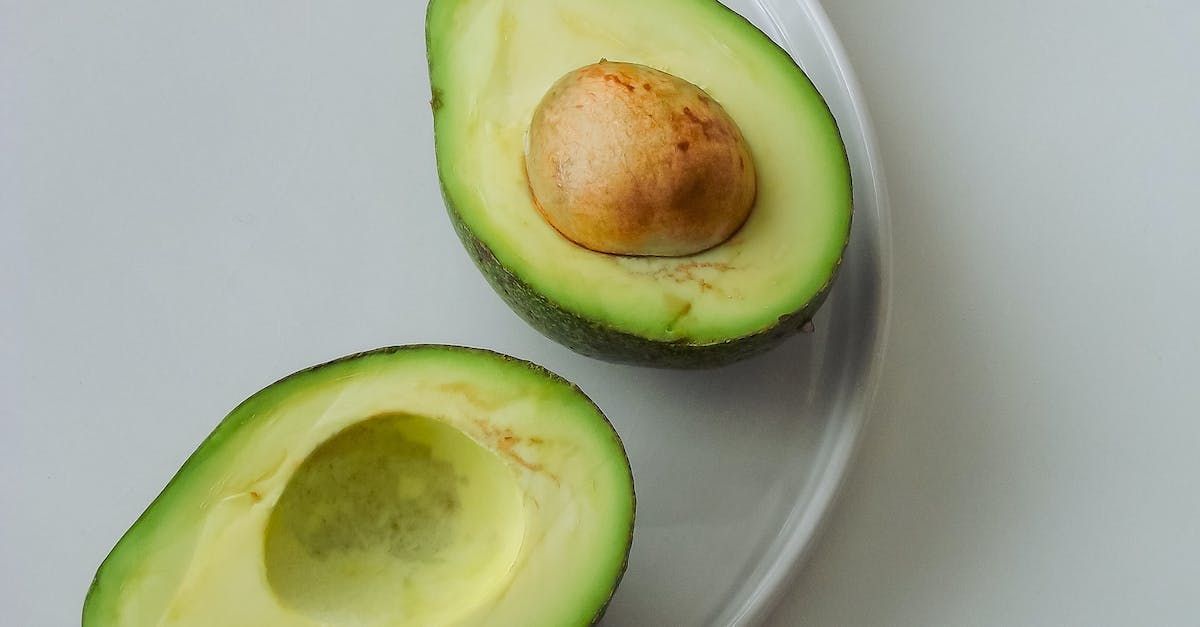
When I first guided my clients through a 14-day no sugar diet food list, I noticed how their plate of foods slowly shifted from desserts and heavily processed options to more whole, unprocessed meals filled with vegetables, fruits, and even healthy fats like avocados. At first, the challenge feels short-term, but as the weeks go by, your tastebuds begin to reset, and the cravings for added sweetness drop dramatically. The body starts to give back by reducing inflammation, boosting energy, and improving metabolism, which makes it much easier to maintain the loss of pounds and fat without the usual retention that comes with quick fixes.
In fact, this approach is carefully designed to cut out the white and refined sources of sugar that we often rely on, while creating a balanced combination of healthy foods and plenty of water to keep you satisfied. Within just two weeks, you’ll often find amazing results—not just in weight loss, but in how you feel overall. For many, this becomes a lifelong habit, as the perks go far over just dropping fat; it’s about reclaiming the power to stop unhealthy cycles and truly reset both mind and body. I’ve seen how scaling back intake can make it easier to maintain a healthy routine, and the results are nothing short of amazing when you focus on the natural goodness of food rather than artificial sweetness.
14 Day No-Sugar Diet Food List
When people think about a no-sugar diet, the reality is often different from what they thought. Many foods that seem healthy can hide added sugar—from salad dressing to granola bars, even so-called all-natural candy. That’s why a registered dietitian will often create a structured plan or guide to make it easier for clients to see the obvious and cut through the crazy amount of hidden sweetness. Over the years, I’ve seen how functional meal recommendations can actually provide support and make the challenge much less intimidating.
- Foods to Cut or Avoid: cookies, candy, packaged foods, bottled dressing, and flavored medicine often have sugar hiding inside, making it one of the most common reasons people fail in their journeys.
- Foods to Add: Focus on organic, gluten- and sugar-free options like salads, vegetables, lean protein, and meal combos designed to fuel you while keeping things clear and functional.
- Tips from Practice: Always track your own food intake, cut out the stuff you know isn’t serving you, and use a foolproof plan with support systems to stay on the right path.
From an average week to a full 14-day program, the results you can see are often loaded with positives: more energy, better nutrition, and improved health. For many of my clients, this has been the most effective way to finally cut back, stay free from sugar, and maintain long-term results without feeling like they’re giving up too much. A virtual or in-person guide can make the process easier, but the key is to ensure consistency and not give in to crazy thoughts that one small slip means total fail.
What Happens after 14 Days with No Sugar?
After guiding clients through a 14-day no-sugar reset, I’ve consistently noticed how results start to show up both inside and out. The body begins to work more efficiently, with digestion improving and the liver focusing on detoxification instead of processing excess sugar. Many people report better sleep, more stable mood, and steady energy levels throughout the day, as blood sugar finally stabilizes.
- Physical Shifts: Weight and fat loss become more noticeable, cravings naturally drop, and skin often shows a healthier tone with fewer breakouts and even a subtle glow.
- Internal Benefits: The gut bacteria starts to rebalance, your dopamine response to foods adjusts, and the taste buds reset, making healthy meals more satisfying.
- Lifestyle Enhancements: Uninterrupted and restful sleep becomes the norm, your mood feels more stable, and the overall health benefits are incredible when the body is no longer making constant cravings for sweetness.

In just two weeks, the shift is not only about loss of pounds but about an enhancing of everyday life—feeling healthier, more focused, and making choices that keep the progress going all day long.
What do You Avoid?
When following a no-sugar lifestyle, the key is to avoid the obvious and the not-so-obvious foods where sugar is hidden. From my own practice, I’ve seen clients struggle not with desserts alone but with everyday meals and beverages that are loaded with added sweetness. The best way is to cut out both the processed and ready-made snacks that fuel persistent cravings.
- Common Indulgences: biscuits, sweets like gulab jamun, rasgulla, barfi, and other sugar-loaded treats are at the top of the list to limit or eliminate.
- Packaged Foods & Drinks: juices, soft drinks, flavored tea, coffee, and store-bought pickles, chutneys, and ketchup often come with artificial sweeteners or excess sugar.
- Everyday Add-Ons: Even items like bread, flavored spice mixes, and snacks might hide sugar, making them tricky unless you check labels.
- Optional Substitutes: While some sweeteners or substitutes may seem helpful, overusing them keeps the cravings alive, so it’s wiser to keep them out or use only when truly necessary.
By learning to spot these foods and indulgences, it becomes much easier to stay consistent, limit temptations, and maintain balance without feeling restricted.
What to Expect on a No-Sugar Diet
From the first few days, many people are surprised at how intense the cravings and slight withdrawal can feel. It’s a normal part of the detox period, where the body is adjusting to being sugar-free. An expert would often refer to this as the “hump” stage, typically around day 3 or 4, when bloating, little mood swings, and low energy levels are common.
- By day 6 or 7, you’ll notice a huge shift: digestion feels better, sleep improves, and your mind starts gaining clarity with a new sense of focus.
- By day 14, the improvement becomes more sharp and steady—your skin shows signs of health, the body feels lighter, and there’s a sense of discovery in realizing how much less you rely on sugar.
- For many, this timeline feels almost mystery-like, because the feeling of sharpness, clarity, and overall well-being is so amazing compared to the temporary discomfort in the beginning.
Through my own experience and working with clients, I’ve seen that practical strategies—like staying hydrated, planning personalized meals, and having experts to chat with for support—make the transition easier. At this point, you start to feel not just better, but truly amazed at the great shift toward long-term health.
Foods to Eat on a No-Sugar Diet
When I guide clients through a no-sugar diet, the biggest surprise is how much food you can still enjoy. The key is to cut the sugar without feeling deprived, and that’s easier when you focus on whole, healthy ingredients that offer real energy and success in the long run.
- Load up on vegetables—especially non-starchy ones like leafy greens, zucchini, and cauliflower. These are your best friends for volume, digestion, and steady blood sugar.
- Add high-quality proteins like eggs, fish, chicken, tofu, and beans or lentils. These help burn fat, keep cravings in check, and give you that satisfying feeling after meals.
- For snack options, go for nuts, seeds, or almonds—they’re rich in healthy fats and make the diet more sustainable.
- Choose grains like quinoa, oats, or brown rice over refined white breads, pasta, or crackers. Even better: keep portions moderate and check labels to make sure they’re low-sugar or unsweetened.
- Stay away from sweetened items like cereal, yogurt, or oatmeal with hidden syrup, honey, maple, agave, or cane sugar. Even packaged granola, bars, or pretzels can be tricky, so read the ingredients.
- For drinks, stick with water, teas, coffee (without syrup, aspartame, or sucralose), and seltzer. Skip soda, cocktails, sports drinks, or juice—even the “natural” ones often hide sweeteners.
- If you crave flavor, use spices, herbs, tomato-based sauces (without added sugar), or healthy dressing with olive oil and vinegar.

In my own practice, I’ve seen that creating a list of your go-to meals—like oats with cinnamon, a salad with grilled chicken, or a veggie-loaded flatbread—helps you stay on track and feel in control. This approach isn’t about being perfect; it’s about being practical, healthier, and making it work for your life.
How Much Weight Can I Lose on a No Sugar Diet?
When people first beginner’s journey into a sugar-free diet, the most common question is how much weight they can actually lose in a 14-day period. From my report working with clients and a supportive community (even in simple Facebook groups), the amount can vary—but women and men alike often notice a reduction in belly fat and a few kilos gone. On general, in just 2-3 weeks, with the right motivation, wholefoods, and more plants included in the diet, you can expect to reduce at least 1–5 kilos depending on your calorie intake, activity levels, and the quality of your daily meals.
- Factors That Influence Weight Loss:
- Metabolism and speed of fat reduction
- Type of physical activity (beginner walks vs. structured workouts)
- Recipes and wholefoods you include in your diet
- Your ability to maintain the reset beyond the initial 14 days
- Metabolism and speed of fat reduction
The good news is that even a minimum cut in sugar can boost your energy, improve overall health, and help you learn how to focus on complete foods that keep you satisfied. Over time, these small reductions add up, and the results are not only about weight but also about the way your tastebuds and body reset together, making it easier to maintain the progress.
No-Sugar Diet Food List
When starting a no-sugar diet, the challenge is not only about avoiding the obvious sweet foods but also learning to focus on whole, minimally processed options that contain little or no added sugar. From my own practice, I always recommend keeping a simple list of go-to products and foods so you can stick to your plan daily without confusion.
- Aim for 1-2 servings of fresh salad, vegetables, or other plant-based foods each day.
- Choose healthy proteins and fats that give energy and make the diet sustainable.
- When buying from a package, box, or bag, always keep an eye on the labels to see if they contain added sugar.
- Dressing, sauces, and processed options may seem harmless but often have sugar, so pick the cleanest version possible.
- Allow a little flexibility, but always stick to the core list of simple foods for best results in your 14-day journey.
The goal is to eat foods that help your body reset and maintain good habits, while removing the unnecessary sugar that sneaks into everyday meals.
High-quality proteins (0.8-1 g protein per lb of body weight)
- Chicken
- Turkey
- Beef
- Fish (salmon, barramundi, mahi mahi, cod, etc.)
- Shellfish (shrimp, crab, lobster, scallops, etc.)
- Wild game (deer, elk, etc.)
- Eggs
- Tofu, tempeh, and edamame
- Unsweetened Greek yogurt
- Cottage cheese
- Minimally sweetened protein powder (this is my favorite)
Non-starchy vegetables (at least 1 cup with meals)
- Leafy greens (arugula, swiss chard, collard greens, kale, lettuce, spinach)
- Artichokes
- Asparagus
- Beets
- Bell peppers
- Bok choy
- Broccoli
- Brussels sprouts
- Cabbage
- Cauliflower
- Celery
- Cucumbers
- Eggplant
- Endive
- Fennel
- Green beans
- Hearts of palm
- Jicama
- Leeks
- Onions (green onion, red onion, white onion, sweet onion)
- Radicchio
- Radish
- Spaghetti squash
- Shallots
- Sugar snap peas
- Tomatoes
- Turnip
- Yellow squash
- Zucchini
Starchy vegetables (up to ½ cup with meals)
- Butternut squash
- Acorn squash
- Delicata squash
- Kabocha squash
- Sweet potatoes
- White potatoes
- Yams
- Carrots
- Green peas
Nuts and seeds
- Walnuts
- Almonds/almond butter
- Brazil nuts
- Cashews
- Pecans
- Pistachios
- Hazelnuts
- Hemp seeds
- Ground flax seed
- Chia seeds
- Pumpkin seeds
- Sunflower seeds
- Sesame seeds/tahini
Healthy fats (I recommend one serving of cooking oil/fat + one other serving of fat, with meals)
- Avocados
- Olive oil
- Grass-fed ghee
- Grass-fed butter
- Avocado oil
- Coconut oil
- Olives
- Whole-fat cheese
- Unsweetened yogurt/kefir
- Grass-fed milk
Low-sugar fruits (1-2 cups daily)
- Apples
- Blueberries
- Blackberries
- Cherries
- Raspberries
- Grapefruit
- Lemons
- Limes
- Nectarines
- Oranges
- Tangerines
- Peaches
- Pears
- Plums
- Plantains
- Kiwi
- Pomegranate
- Watermelon
Whole grains (up to ½ cup with meals, if there is no starchy vegetable)
- Quinoa
- Rice
- Oats
- Barley
- Buckwheat
- Rye
- Amaranth
- Farro
- Millet
- Couscous
Beans and lentils
- Black beans
- Chickpeas/garbanzo beans
- Lentils
- Kidney beans
- Pinto beans
- Black eyed peas
- Lima beans
Fermented foods (make sure these come from the refrigerated section and do not contain added sugars)
- Sauerkraut
- Kimchi
- Pickles
- Pickled carrots, asparagus, okra, and other pickled vegetables
Herbs and spices
- Anise
- Basil
- Bay Leaves
- Black Pepper
- Cayenne
- Chili powder
- Coconut Aminos
- Chamomile
- Chives
- Cilantro
- Cinnamon
- Coriander
- Cloves
- Cumin
- Dill
- Garlic
- Ginger
- Horseradish
- Lemon Balm
- Lemongrass
- Marjoram
- Mint
- Mustard Seed
- Onion
- Oregano
- Paprika
- Parsley
- Rosemary
- Saffron
- Sage
- Sea Salt
- Spearmint
- Tarragon
- Thyme
- Turmeric
- Vanilla
Condiments/misc (make sure these do not contain added sugars)
- Apple cider vinegar
- Salad dressing (Primal Kitchen has great options)
- Mustard
- Hot sauce
- Salsa
Drinks
- Water
- Unsweetened iced tea
- Herbal tea (click here for our favorites)
- Matcha, mixed with water or whole milk/unsweetened almond or coconut milk (click here for our favorite matcha and our easy, go-to matcha recipe)
- Coffee, black or with whole milk/unsweetened almond or coconut milk
Tips for a No-Sugar Diet
When starting the journey of a no-sugar lifestyle, I always remind people that it’s not just about cutting added sweetness but about building habits that feel natural and sustainable. Here are some helpful ways to make the plunge easier and keep your face smiling through the process.
- Read every label: Never assume a product is all-natural. Many so-called organic or gluten-free options can still contain hidden sugar. Reading and learning to seek clean ingredients is the most proven way to stay in control.
- Pair meals smartly: Combine protein, healthy fats, and complex carbohydrates like quinoa, rice, or potatoes. This keeps your blood sugar stable and reduces cravings immediately.
- Stay hydrated: Drink plenty of water throughout the day (around 90 oz is a common goal). Proper hydrating helps reduce anxiety, improves nutrition absorption, and even supports weight and fat loss.
- Boost mood naturally: Exercise, dancing, playing with animals, or sitting in a sauna can boost dopamine and keep your mind stable. Add music, laughter, or even prayer at home to make the process feel lighter.
- Accountability matters: Share the journey with a buddy, cook healthy meals at home, and celebrate small wins. Even simple encouragement can give a big boost when the cravings hit.
- Prepare daily meals: Cooking at home with whole foods is the example I recommend most. It helps you weigh pounds lost over time while keeping your nutrition in check.
From my own experience, nothing feels more rewarding than seeing the stable boost in energy, nutrition, and mood when you listen to your body, trust the process, and stick with quality wholefoods.
If you want 14 days no sugar plan diet Download Now 14 Days no sugar plan.
FAQs About 14-Day No Sugar Diet Food List for Weight Loss
What to eat for 2 weeks without sugar?
Focus on wholefoods like vegetables, lean protein, healthy fats, and grains such as quinoa or brown rice. Snack on nuts, seeds, and fruits that are naturally low in sugar. Stick to home-cooked meals and avoid packaged items with added sugar.
How much weight can you lose on a 14-day no sugar diet?
The amount can vary, but many people notice a reduction of 1–5 kilos in just two weeks, especially around the belly. Your calorie intake, physical activity, and metabolism play a big role in how much you actually lose.
What is the 14 day no sugar challenge?
It’s a reset where you cut out all forms of added sugar for 14 days. The goal is to give your tastebuds, body, and energy levels a chance to adjust, helping you reduce cravings and build healthier habits.
What happens if I don’t eat sugar for 14 days?
You’ll likely notice better digestion, more energy, and weight loss. Cravings start to drop, tastebuds reset, and skin may look healthier. Some people go through a short withdrawal period with low energy or mood dips, but it quickly passes.
What are the benefits of no sugar for 30 days?
Extending the challenge to a full month helps stabilize blood sugar, boost metabolism, and improve sleep. Many report clearer skin, reduced inflammation, and a lasting reduction in cravings for sweet foods.
What are the symptoms of sugar withdrawal?
In the first few days, people often feel intense cravings, fatigue, mild headaches, or mood changes. This period is temporary and usually eases by day 5–7, after which you start to feel more stable and energized.
