
What is Grams To Calories?
When I first started paying closer attention to my diet, I realized how often I saw numbers in grams on food labels but still felt unsure how they related to the calories I was consuming. That’s where understanding the conversion becomes powerful. It bridges the gap between what’s on the label and what you need to know for your nutrition goals. To determine the caloric content of any food, you look at the type of macronutrient it’s made of.
For example, protein and carbohydrates are treated the same way in this system:
- Proteins contain 4 calories per gram
- Carbohydrates both contain 4 calories per gram
- Fats contain 9 calories per gram
These specific values are not random; they’ve been established through scientific studies. Once you know them, you can use them to calculate the total energy in any item.
In my own dietary planning, I’ve noticed that knowing the numbers makes the process much easier. For instance, if I snack on almonds, I can quickly see that the caloric load is higher because of their fat content. Tracking this balance is crucial not just for weight management but for ensuring that energy comes from the right mix of macros.
That’s why a simple grams to calories calculator feels almost like a personal guide. It lets you see, in seconds, whether your plate leans too heavily on carbs, lacks enough proteins, or overdelivers on fats. And because it breaks things down to each gram, it turns vague label numbers into something you can use for smarter choices in everyday life.
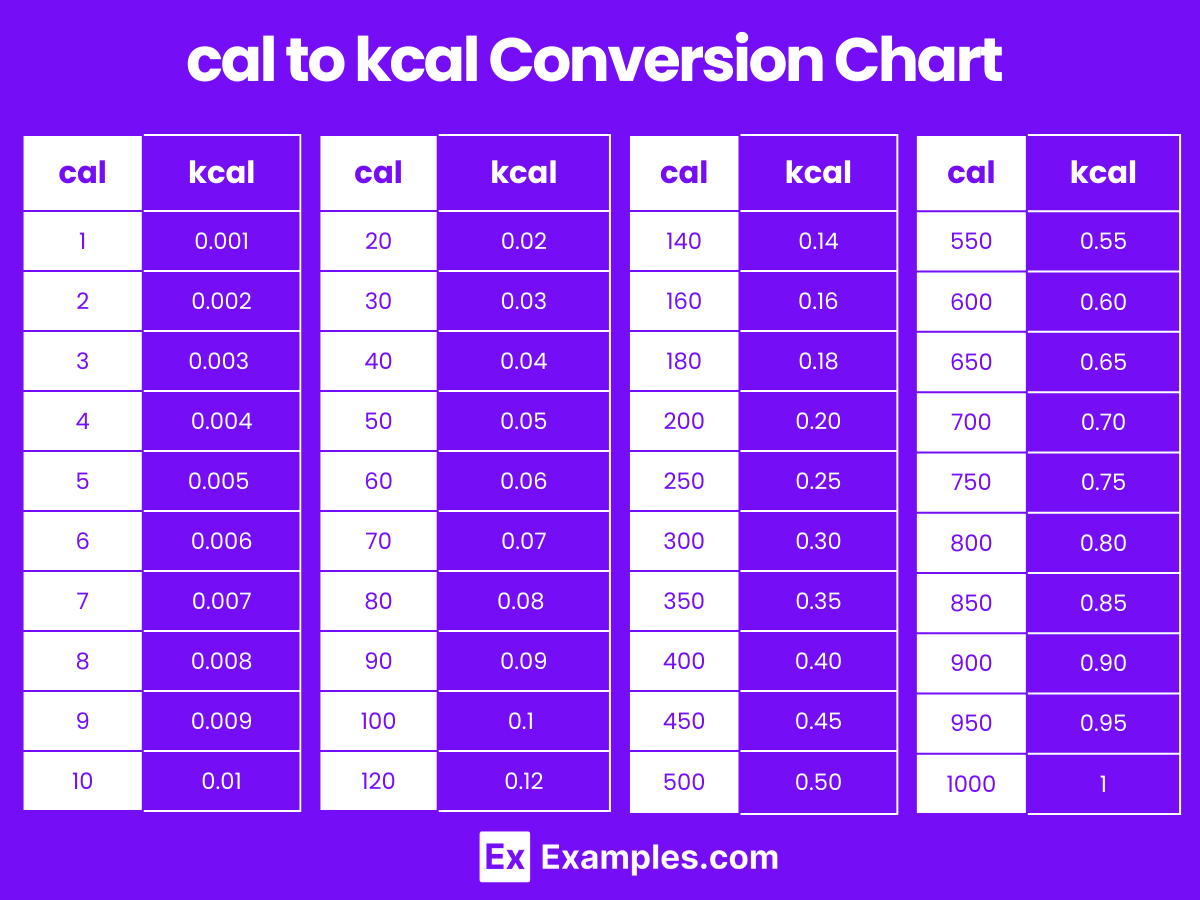
What are Macronutrients?
When I first started learning about nutrition, I realized how little I knew about the macronutrients my body truly needs in large amounts to function properly. These essential nutrients not only provide energy but also keep me steady for daily activities, and they support growth and repair. The body requires them every single day, and ignoring the right balance can leave you feeling sluggish or off track.
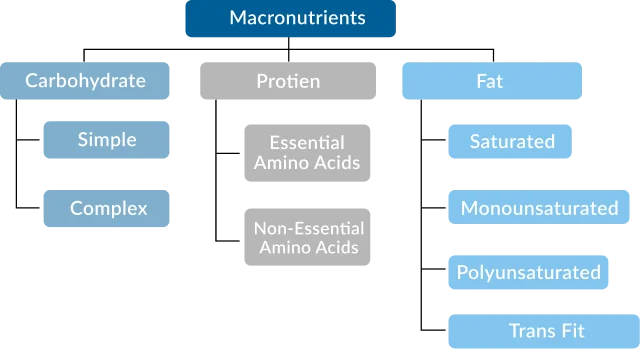
There are three primary macronutrients that play different but equally vital roles.
- Carbohydrates: The main source of fuel for the brain and muscles. They’re found in foods like bread, pasta, rice, fruits, and vegetables. Once eaten, they are broken down into glucose, which fuels cells and keeps you alert.
- Proteins: Known for building and repairing tissues, proteins come from meat, poultry, fish, eggs, dairy products, legumes, and nuts. They’re made of amino acids that drive various biochemical processes in the body.
- Fats: Often misunderstood, but they insulate organs, protect overall health, help in vitamin absorption, and are critical for hormone production and cell membrane health. Healthy fats are found in oils, butter, fatty fish, and seeds.
In my own experience, balancing these nutrients can be challenging, especially when eating out at restaurants near me or when I’d rather buy vitamins or supplements to fill the gaps. But I’ve learned that whole foods give a stronger foundation. Getting carbs from rice or fruits, proteins from fish or legumes, and fats from nuts or olive oil has made my meals both energizing and satisfying.

Why You Need a Grams-to-Calories Converter: Your Diet's Secret Weapon
When I first started tracking my meals in grams, I struggled with turning those numbers into calories that actually made sense for my goals. A simple converter completely changed that. It simplifies the process of calculating your calorie intake by just inputting the macronutrients—protein, carbohydrates, and fats—from any meal. With it, I can quickly determine the total content of what I’m eating without second-guessing.
The most exciting benefits go beyond numbers. For one, it helps align with dietary needs and long-term goals. I’ve found that converting food values this way makes it easy to notice patterns, like when I’m leaning too heavily on carbs or missing out on proteins. It also supports dietary diversity, since I can confidently mix things up without stressing about balance.
Another thing I enjoy is how it gives me freedom to experiment with different foods and cuisines. I can try new recipes or fun combinations, knowing I won’t risk overeating or accidentally derailing my diet. Having the numbers in front of me feels like a safety net rather than a restriction.
And best of all, many tools like this are free, so there’s no barrier to start using them. If anything, they give you the confidence to build meals you enjoy while staying on track with your health. In my own kitchen, it feels like having a secret guide that makes eating both smart and enjoyable.
How Does This Grams to Calories Calculator Work?
When I first came across a grams to calories calculator, I was curious about how it really does the work. The idea sounded simple, but once I tried it, I realized how straightforward the steps actually are. All you need to do is input or enter the value of your fats, proteins, and carbohydrates into the designated fields.
From there, you simply hit the calculate button, and the tool instantly does the math for you. The output usually shows a clear breakdown: carbs, protein, and fat, along with the total number of calories.
I’ve used it myself to double-check home-cooked meals where I wasn’t sure of the exact numbers. By just following these few steps, the calculator turns what used to be a confusing process into something quick and easy. It’s like having a built-in guide that translates nutrition labels into actionable numbers.
How to Calculate Grams To Calories?
When I wanted to calculate my meals without relying only on apps, I started breaking it down step by step. The idea is to take the grams of each macronutrient and turn them into calories. The steps are simple once you see the outline. You’re basically using a formula to determine the amount of energy in your food.
Here’s how it works:
- Protein (P): 1 g = 4 calories
- Carbohydrates (C): 1 g = 4 calories
- Fats (F): 1 g = 9 calories
Now, use this equation:
TC (total caloric content) = (P × 4) + (C × 4) + (F × 9)
By inserting values for your meal, you’re essentially calculating the result. For example, if your plate has 20 g protein, 30 g carbohydrates, and 10 g fats, then:
TC = (20 × 4) + (30 × 4) + (10 × 9) = 80 + 120 + 90 = 290 calories.
I often double-check my answer with a calculator, especially when tracking macros more closely. It feels good to know that with just a formula and a few numbers, you can understand exactly what’s fueling your body.
Grams to Calories Converter
Example Problem:
Sometimes an example is the best way to put theory into practice. Here’s a simple problem you can use to test your knowledge of how to calculate calories from macronutrients.
We’ll take these variables:
- Protein (P): 20 grams
- Carbohydrates (C): 30 grams
- Fats (F): 10 grams
Now, using the calorie formula:
Calories = (P × 4) + (C × 4) + (F × 9)
Insert the amount:
= (20 × 4) + (30 × 4) + (10 × 9)
= 80 + 120 + 90
= 290 calories
This quick test shows how plugging in simple numbers helps you understand the balance of nutrients in a meal, making it easier to track and manage your diet.
Macronutrients in Food:
According to the World Health Organization (WHO), every person needs a certain amount of nutrients daily to live a normal life. Among these, macros are especially vital because they supply the calories per gram that fuel the body. The proportionality of these nutrients is just as necessary as the amount itself, since they ensure that essential functions and processes in the body can run smoothly.
The three important macronutrients are:
- Fats: Provide 9 calories per gram and play a role in protecting organs and supporting hormone health.
- Protein: Provides 4 calories per gram and helps with building and repairing tissues.
- Carbohydrates: Provide 4 calories per gram and serve as the body’s main energy source.
Balancing these three ensures you’re not only eating enough but also feeding your body in a way that maintains strength, focus, and overall health.
Definition and Conversion of Fats to Calories:
Fats are one of the key macronutrients, and they’re absolutely essential for the body. They help you absorb vitamins, support hormone balance, and serve as the most efficient macronutrient when it comes to storing and using fuel. Not only do they provide energy, but they also protect organs and maintain cell structure.
When looking at fat calories, the math is simple. Each gram of fat equals 9 calories, making it more energy-dense compared to proteins or carbohydrates. This makes understanding the formula for conversion important if you want to keep track of your diet.
Here’s how you do it:
Calories from Fat = Grams of Fat × 9
With a calculator, you can quickly turn grams of fat into their calorie value. For example, 10 g of fat × 9 = 90 calories. This straightforward step makes it easier to manage your intake and balance it with other macronutrients.
Definition and Conversion of Proteins to Calories:
Proteins are vital nutrients made up of amino acids that the body uses to build and repair tissues and maintain healthy cells. They come from many sources, both plants and animals, such as beef, mutton, legumes, dairy, and even dry fruits. Including enough protein in your diet is crucial for strength, recovery, and overall health.
When it comes to energy, proteins follow a clear formula for conversion. Each gram of protein provides 4 calories, which makes it easier to track when planning meals.
Here’s the calculation:
Calories from Protein = Grams of Protein × 4
So, if you consume 20 g of protein, the result is 20 × 4 = 80 calories. By knowing this, you can manage protein intake from different foods and balance it with other macronutrients to meet your dietary goals.
Definition and Conversion of Carbohydrates to Calories:
Carbohydrates are a major macronutrient that the body relies on as its main fuel source. Once eaten, they are converted into glucose, a type of sugar that provides quick energy. While carbs are essential, an excessive intake can lead to an imbalanced carb to calorie ratio, which may disturb blood levels and affect overall health. That’s why it’s important to check consumption and keep it in balance with proteins and fats.
To make tracking easier, you can use a calculator or apply a simple formula for converting carbs into energy. Each gram of carbohydrate equals 4 calories.
Here’s the calculation:
Calories from Carbohydrates = Carbs (grams) × 4
For example, 50 g of carbs × 4 = 200 calories. Knowing how many grams of carbs translate into calories gives you control over meal planning and helps maintain steady energy throughout the day.
FAQs About Grams to Calories Calculator
How many calories is 1 gram of?
It depends on the macronutrient:
- 1 g of protein = 4 calories
- 1 g of carbohydrates = 4 calories
- 1 g of fat = 9 calories
How much is 200 kcal in grams?
You can work backward using the conversion. For example:
- If it’s protein or carbs: 200 ÷ 4 = 50 g
- If it’s fat: 200 ÷ 9 ≈ 22 g
How to convert g to calories?
Use the formulas:
- Protein (g) × 4 = calories
- Carbohydrates (g) × 4 = calories
- Fats (g) × 9 = calories
What is 1000 calories in grams?
Again, it depends on the nutrient:
- Protein or carbs: 1000 ÷ 4 = 250 g
- Fat: 1000 ÷ 9 ≈ 111 g
How many calories are in one roti?
On average, a medium-sized whole wheat roti contains about 70–100 calories, depending on size and ingredients.
How many calories per day?
It varies by age, gender, activity level, and health goals. On average:
- Adult women: 1,800–2,200 calories/day
- Adult men: 2,200–2,800 calories/day