
Salt-Based Water Softeners
Salt-based water softeners remove hard minerals like calcium and magnesium, providing smooth, scale-free water for your home. Efficient, reliable, and perfect for households dealing with hard water problems.
Click here TO BUY get 20% Discount.
1. Introduction to Water Softeners
A water softener is a system designed to reduce the hard water minerals in your home, such as calcium and magnesium. Using water that is too hard can cause limescale buildup in pipes, reduce appliance efficiency, and even affect your skin and hair. To avoid these problems, choosing the right water softener size is essential.
Homeowners often struggle to select the correct system size, which is where a water softener size calculator becomes useful. This tool considers factors like household water usage and water hardness to provide an accurate recommendation. By using a calculator, you can avoid oversizing or undersizing your system.
A properly sized system ensures efficient performance and longer lifespan. With a residential water softener capacity tailored to your home, you enjoy clean, smooth water without wasting salt or energy. The combination of a good system and the right sizing keeps your home protected from hard water damage.
Summary:
- Correct water softener size prevents plumbing issues
- Water softener size calculator simplifies selection
- Ensures efficiency and long-term protection
2. Understanding Water Hardness
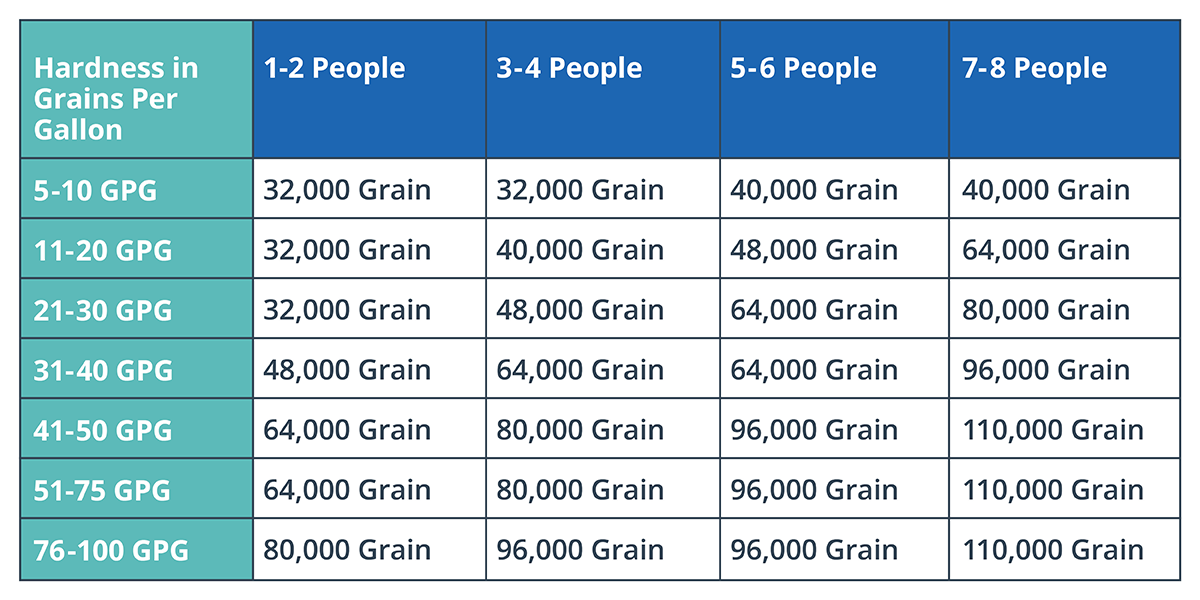
Water hardness measures the amount of calcium and magnesium in your water. High levels of hard water can cause spotting on dishes, soap scum in showers, and scale buildup in pipes and appliances. Measuring hardness in grains per gallon (GPG) or parts per million is critical for sizing a water softener.
Homeowners can test their water using kits or professional testing services. A hard water calculator allows you to quickly determine your water’s mineral content, which is necessary for accurate water softener sizing. Knowing the hardness ensures the system can handle your household’s water effectively.
Understanding water hardness also helps in selecting the correct residential water softener capacity. Using a water softener capacity calculator ensures your system is neither too small nor oversized, improving efficiency and reducing maintenance needs.
Summary:
- Water hardness impacts appliances and plumbing
- Use a hard water calculator for accurate measurement
- Proper sizing ensures efficient and lasting performance
3. Factors Affecting Water Softener Size
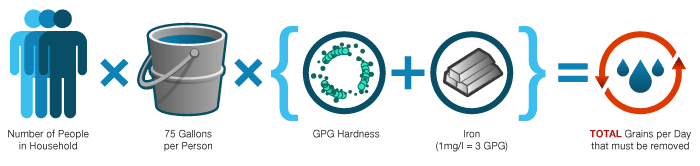
Several factors determine your home water softener sizing. Household water usage is critical, as larger families naturally require more capacity. The number of people in your home directly affects daily water consumption.
The water hardness level also plays a significant role. Harder water requires a system capable of removing more minerals, influencing the residential water softener capacity needed. Flow rate and regeneration frequency further impact performance.
Additional considerations include system type, salt usage, and future household changes. A water softener sizing guide combines all these elements to recommend the optimal system, ensuring your water stays soft and appliances remain protected.
Summary:
- Household size and water usage are key
- Water hardness determines required capacity
- Use a water softener sizing guide for accuracy
4. How a Water Softener Size Calculator Works
A water softener size calculator collects household data to recommend the correct system. Inputs usually include the number of people, daily water usage, and hard water levels, ensuring accurate sizing for effective performance.
The calculator often provides results in grains per gallon, allowing easy comparison of different models. A residential water softener capacity recommendation ensures the system regenerates efficiently without wasting salt or energy.
Some calculators allow advanced inputs like peak flow rates and regeneration frequency. Using a home water softener sizing tool guarantees the best match for your household, solving hard water problems efficiently.
Summary:
- Calculates based on water usage and hard water
- Outputs residential water softener capacity in grains per gallon
- Ensures efficient operation and proper sizing
5. Tips for Choosing the Right Water Softener
Choose a system that matches the recommended residential water softener capacity. Oversizing can waste salt and energy, while undersizing reduces effectiveness. A home water softener sizing tool ensures the right balance.
Consider factors like regeneration frequency, system type (salt-based vs salt-free), and maintenance requirements. Following these tips reduces long-term costs and keeps the system operating smoothly.
Always cross-check the calculator recommendation with manufacturer specifications. Using a water softener sizing guide helps you select the system best suited for your household, providing optimal performance and longevity.
Summary:
- Match system size with household needs using home water softener sizing
- Factor in system type and regeneration frequency
- Use a water softener sizing guide for best results
6. Common Mistakes to Avoid
Underestimating daily water usage is a frequent mistake, leading to undersized systems. Ignoring hard water levels or peak flow rates can reduce system efficiency. Using a residential water softener capacity calculator can prevent these issues.
Oversizing is another error, causing unnecessary salt and energy consumption. Planning for household growth ensures your system remains efficient over time. A water softener sizing guide helps avoid costly mistakes.
Neglecting maintenance, such as checking resin lifespan or salt levels, reduces longevity. Correct sizing using a water softener capacity calculator ensures optimal performance and minimizes long-term problems.
Summary:
- Avoid underestimating water usage or hard water levels
- Prevent oversizing to save salt and energy
- Use a water softener sizing guide for proper sizing
7. Maintenance and Longevity
Proper sizing reduces maintenance needs and prolongs system life. Regular salt refills, resin cleaning, and performance checks keep the system efficient. Using a residential water softener capacity tailored to your home ensures smooth operation.
Correctly sized systems also minimize regeneration frequency, reducing both salt and energy consumption. A home water softener sizing tool helps homeowners achieve the ideal balance between capacity and efficiency.
Following a water softener sizing guide ensures long-term benefits. With proper maintenance and the right system size, your water softener will last longer, treat water effectively, and reduce wear and tear on household plumbing.
Summary:
- Proper sizing reduces maintenance and extends lifespan
- Minimize regeneration for efficiency using home water softener sizing
- Follow a water softener sizing guide for best results
8. FAQs
Q1: How often should I calculate water softener size?
A: Recalculate when installing a new system or if household water usage or hard water levels change.
Q2: Can I oversize my water softener?
A: Oversizing increases salt and energy use. A residential water softener capacity calculator ensures the right size.
Q3: Does water hardness change over time?
A: Yes, seasonal changes or new water sources can alter hard water levels. Recalculation is recommended.
Q4: Can I calculate size manually without a tool?
A: Yes, but a home water softener sizing calculator simplifies the process and ensures accuracy.
Q5: How do I maintain my system for longevity?
A: Follow salt refill schedules, clean the resin regularly, and monitor system performance using a water softener sizing guide.