

What Is Soursop?
My journey with soursop Leaves began years ago, learning about its deep roots in traditional medicine and observing firsthand its many uses. The small to medium-sized tree produces this incredible fruit, but for me, the real powerhouse lies in its foliage. My exploration into the world of soursop leaves has revealed a treasure trove of wellness, from their potent antioxidant properties to their potential role in supporting a healthy immune system. My experience has shown me that incorporating these leaves into my wellness routine has been a valuable addition. The key is understanding how to prepare and use them effectively to unlock their full potential, while also being mindful of any potential side effects.

Soursop taste
My journey with the soursop tree, or graviola, is not just about its leaves; it’s also about its incredible fruit. The flavor of this unique tropical fruit is truly an experience in itself, a delightful fusion that reminds me of a blend of mango, strawberry, and pineapple. It strikes a perfect balance between sweet and tangy, often with subtle citrus notes that are both refreshing and complex. For me, enjoying the fruit is a testament to the tree’s complete offering, showcasing that its gifts are not only for health but also for the palate. The fruit’s unique taste has become a cherished part of my culinary exploration, further solidifying my belief in the plant’s holistic value.
Exploring the Health Benefits
Through my own research and observations, I’ve seen how the compounds in these leaves offer significant promise.
- The cancer prevention and treatment potential is perhaps the most-talked-about aspect. The leaves contain powerful acerogenins that have been shown in laboratory studies to be effective at fighting cancer cells, even in some cases helping to inhibit their growth. While these are not a substitute for conventional therapies, their complementary role is a subject of ongoing investigation.
- The gastrointestinal and diabetes management properties are also notable. For centuries, these leaves have been used to address stomach issues. Furthermore, scientific studies on rats have demonstrated their ability to reduce and regulate sugar levels, offering a potential avenue for diabetes control.
- Blood pressure is another area where these leaves show promise. Studies on both rats and humans suggest that they can help regulate blood pressure, contributing to cardiovascular well-being.
- The antimicrobial action of the leaves is a key part of their historical use in natural medicine. The antiviral and antibacterial properties help the body protect itself against infections and foreign microorganisms, thus boosting our immunity and resistance to various diseases.
Possible Soursop Side Effects
- While the fruit and tea made from soursop leaves are popular, extensive studies have raised concerns about neurological issues. High consumption of the compounds found in the plant has been linked to nerve damage, and some reports even suggest symptoms similar to Parkinson’s disease, making it essential to use with care.
- Another critical point is that soursop can interact with certain medication. For individuals managing high blood pressure or diabetes, these compounds can strengthen the effects of their drugs, leading to dangerous drops in blood pressure or sugar levels. I always advise consulting a healthcare professional to avoid any unforeseen complications.
- It’s also imperative to note a specific warning regarding the fruit itself: its seeds are considered toxic. They contain certain compounds that can lead to harmful side effects. Therefore, you must remove them completely and avoid eating them under any circumstances. This is a fundamental safety precaution to prevent these adverse side effects.

Soursop Leaves Benefits
When prepared as a tea, the leaves offer a surprising array of advantages, and I have found the following to be particularly noteworthy:
- The leaves are packed with potent antioxidants that are essential for a robust immune system. My own observations and a review of in vitro studies suggest they may help the body’s natural defenses.
- Historically, many people have turned to this leaf tea to find relief from various ailments, including headaches and insomnia, with some finding positive results.
- From a traditional perspective, the leaves have been used to address more serious issues, such as abscesses and ulcers, and even in some cases, certain types of cancers. It’s important to note that while some early studies are promising, these are not a substitute for professional medical guidance.
Utilizing Soursop Leaves for Health
- The utilization of soursop leaves can be adapted to suit individual preferences and needs. For many, a traditional tea preparation is the most common method. Others may find it more convenient to use a capsule form or liquid extracts, which are readily available and allow for easy incorporating into a daily health regimen.
- My personal advice is always to be mindful of dosage. To avoid potential side effects, it is vital to stick to recommended dosages. This is a crucial step for anyone considering these leaves, ensuring they can enjoy the benefits without the risks.
Navigating Potential Side Effects
When considering soursop, it’s vital to remember that not all benefits come without risks, especially if the leaves are consumed in large quantities.
- Overconsumption may lead to serious issues, with some studies suggesting a risk of hypoglycemia or even kidney damage. The power of these leaves means they should be approached with caution and respect.
- Furthermore, there is a risk of significant interactions with certain medications, particularly those for diabetes and hypertension. Therefore, before adding this supplement to your routine, I always recommend consulting healthcare providers to ensure its safety and efficacy, ensuring a positive outcome without unwanted side effects.
Embracing Soursop Leaves in Your Wellness Journey
As the modern pursuit of wellness solutions continues to grow, I believe the soursop leaves stand out as a truly valuable resource. Their multifaceted benefits make them a great fit for a proactive health regimen:
- The leaves’ potential in cancer prevention and diabetes management has been a significant area of my research. The compounds within them offer a promising avenue that aligns with the current trend toward using plant-based solutions.
- Making these leaves a part of your journey reflects a holistic approach to health, treating the body as a whole rather than just addressing isolated issues. They are a powerful tool to complement your wellness efforts.
How to Eat Soursop
The best way to enjoy this exotic fruit is to know where to find it and how to store it correctly.
- You can often find both fresh and frozen soursop at a local grocery store, farmers market, or online.
- The fruit is typically picked when it’s still unripe and green. To know when it’s mature, gently press on the skin; it will soften and turn a slightly yellow-green color.
- An unripe fruit should ripen on the counter. Once it’s ready, you can store it in the refrigerator for a couple of days to prolong its freshness.
Soursop fruit:
The versatility of the soursop fruit makes it a wonderful addition to many dishes.
- The simplest way to enjoy it is raw. Just cut the fresh fruit in half and scoop the flesh out with a spoon. Be sure to discard the seeds, as they are toxic.
- The creamy flesh is perfect for creating homemade popsicles and ice cream.
- You can also blend it into smoothies or use it as a sweet toppings for oatmeal and yogurt.
- The fruit even lends itself to baking, adding a unique flavor to breads and cakes.

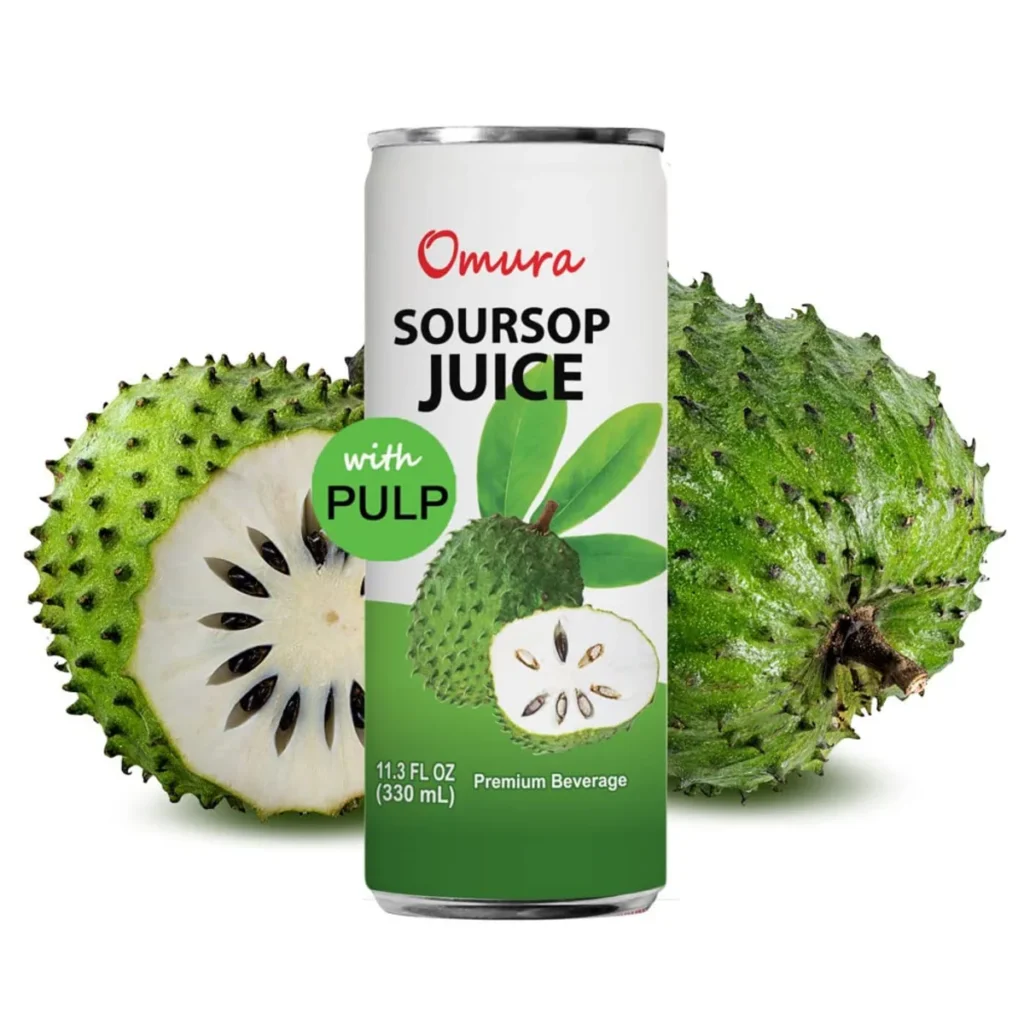
Soursop juice:
Making your own soursop juice at home is a rewarding experience. Here’s a quick guide to some of my favorite recipes.
- To begin, you must peel the fruit, remove the seeds, and separate the creamy pulp. Then, in a blender, combine the pulp with water and blend until smooth. You may then strain it for a smoother consistency.
- While you can purchase 100% soursop juice from a grocer or online, customizing it at home is best. Try adding a squeeze of lime, some milk for a creamy smoothie, or enhancing the flavor with honey, a dash of vanilla, or a slice of ginger.
Soursop Tea:
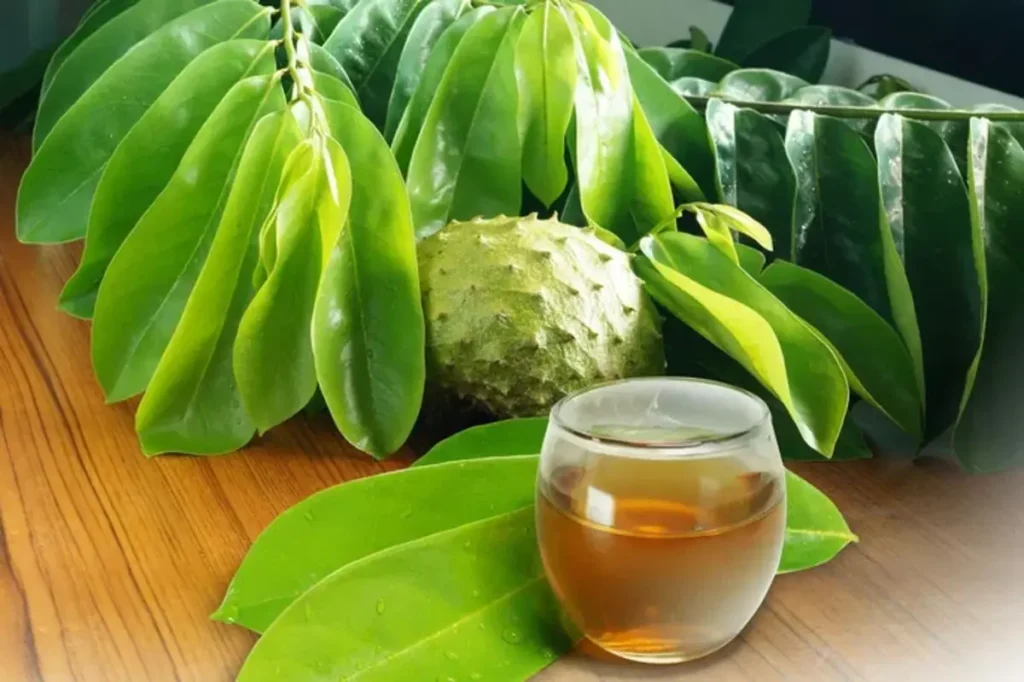
Preparing a soothing cup of soursop tea is straightforward. Here’s my go-to method:
- First, boil some water. While the water is heating up, gather your leaves, either fresh or dried.
- Once boiling, add the leaves to the hot water and let them steep for about 10-15 minutes. The longer it steeps, the stronger the flavor will be.
- You can sweeten the tea naturally with a touch of honey to add a pleasant sweetness.
Tips and How to Prepare Soursop Leaves in Qiuck List
To get the most out of this powerful plant, a few simple steps will create a wonderfully appealing tea.
- Wash the leaves thoroughly before use. Then, in a pot, boil about three glasses of water with the leaves for 10-15 minutes to create a potent decoction. After that, strain the boiled leaf liquid to get the pure goodness.
- The best way to drink the tea is warm. To enhance the taste, you can add a touch of honey. For optimal results, I suggest you consume this liquid twice a day.
- A vital piece of advice: if you have any pre-existing medical condition, you must consult a doctor before consuming this decoction. This ensures you receive tailored professional guidance for your health.
For More Information About Men Mental Health Tips Check Out NOW.
For More Information About Women Mental Health Tips Check Out NOW.
Conclusion
The power of these natural leaves and the wisdom of incorporating such approaches into your routine cannot be overstated.
- The leaves are rich in antioxidants, and my experience confirms their effectiveness in boosting immunity and reducing inflammation. They are also valuable for supporting overall wellness, helping to manage blood sugar levels and improve digestive health.
- Ultimately, making these leaves a part of a healthier lifestyle is a fantastic way to enhance well-being and promote a state of overall HealthOK.
FAQs About health benefits of soursop leaves:
What are the benefits of drinking boiled soursop leaves?
My research into this natural remedy has shown several key advantages.
- The leaves contain powerful antioxidant compounds that fight free radicals in the body, helping to prevent cell damage and potentially the development of cancer.
- In human cancer cells, lab studies have shown that the extract can inhibit the growth of malignant cells, including breast, lung, and pancreatic types.
How many days to drink soursop leaves?
- For preparation, boiling five to seven soursop leaves in one liter of water is a sufficient dose.
- Given its potency, which is much stronger than conventional teas, daily consumption is recommended for a cycle of thirty days.
- To prevent any adverse effects, it is then advisable to take a break of ten days before resuming.
What happens if I drink soursop tea every day?
Drinking the tea daily can have both positive and negative outcomes.
- Traditionally, the tea is used to treat various conditions, including fevers, hypertension, high cholesterol, and diabetes.
- However, I cannot stress enough that it must be consumed in moderation. Excessive intake can lead to serious side effects, such as hypotension, nausea, and vomiting. It is always best to consult a doctor regarding your specific health needs before beginning a new regimen.
What does soursop do for the kidneys?
- Many patients with chronic kidney disease (CKD) live with the fear of hyperkalemia, which is an increased serum potassium levels. This is a valid concern, as they are on a restricted diet.
- However, for the general population, the consumption of the fruit (Annona muricata) is considered beneficial as it can help reduce cardiovascular risk.
What is the best tea to drink for your kidneys?
My personal research and experience point to green tea as a top choice.
- This tea contains powerful antioxidants that can decrease inflammation in the body and specifically in the kidneys. Regular consumption can also help reduce the risk of kidney stones.
- Key antioxidant compounds like catechin and epigallocatechin-3-gallate (EGCG) are especially helpful. For many people, incorporating this tea is a simple way to promote better renal function. However, always consult with a healthcare professional if you have a pre-existing disease.
Does soursop increase uric acid?
On the contrary, the antioxidant properties of soursop may actually help with this issue.
- It has been found to reduce the formation of uric acid by inhibiting the production of the enzyme xanthine oxidase in the body.
- This natural process showcases the fruit’s unique ability to aid in a specific health concern, making it a valuable addition to many diets.

[…] feel safe speaking up, reaching out, and engaging with their community to break stigma. Just as the health benefits of soursop leaves are gaining recognition for supporting physical well-being, simple acts like distributing a flyer […]