

Men’s Health Month June 2025
Every June 2025, as we observe men’s mental health month, it’s vital to recognize that men’s mental health and physical health and fitness often take center stage, with emphasis on annual checkups and heart health. Yet, mental well-being remains a silent crisis, frequently unnoticed and unspoken within communities of individuals assigned male sex at birth. From personal experience, I’ve seen how the culture around men’s health often discourages attention to emotional well-being, leaving many feeling isolated despite the urgent need to break silence and seek support.
The men’s mental health struggle is real and alarming, as evidenced by the higher suicide rate among men compared to women. During men’s mental health month, this disparity highlights the importance of creating spaces where men feel safe speaking up, reaching out, and engaging with their community to break stigma. Just as the health benefits of soursop leaves are gaining recognition for supporting physical well-being, simple acts like distributing a flyer about mental health resources or encouraging small steps toward vulnerability can lead to significant change. We must collectively work to ensure no one struggles alone in silence, fostering an environment where support is accessible and normalized.
How to support Men’s Mental Health Awareness Month
Supporting men’s mental health month in June means taking meaningful steps to raise awareness about the often overlooked men’s mental health challenges that are a big concern both in the United States and abroad. Whether through your workplace, child’s school, or local charities and organizations like Face It, MenLiving, HeadsUpGuys, Next Gen Men, or the Campaign Against Living Miserably (CALM), you can help by organizing fundraisers such as a garage sale, bake sale, or sponsoring a race or competition to raise money for trusted mental health groups like MHA, the National Institute of Mental Health, the American Foundation for Suicide Prevention, or the National Alliance on Mental Illness.
Here are some practical ways to show support:
- Listen closely to the men in your life and encourage them to reach out when facing mental health concerns.
- Promote resources like call or text 988 or visit 988lifeline.org, use the Crisis Text Line by texting MHA to 741741, or calling 1-800-985-5990.
- Encourage texting TalkWithUs to 66746 for support through the SAMHSA Disaster Distress Helpline.
- Help others find a therapist or the right therapist who can provide professional care.
- Remind everyone they are not alone and support is available throughout the year, not just in June.
Understanding men’s mental health concerns
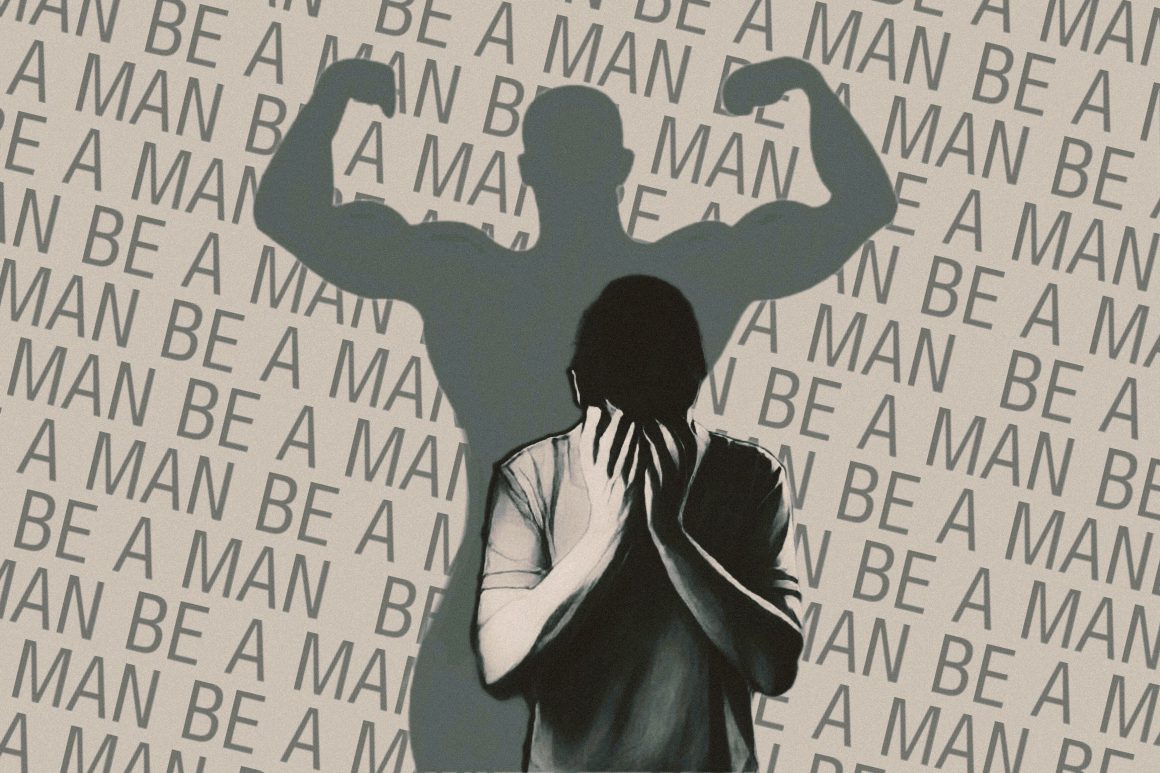
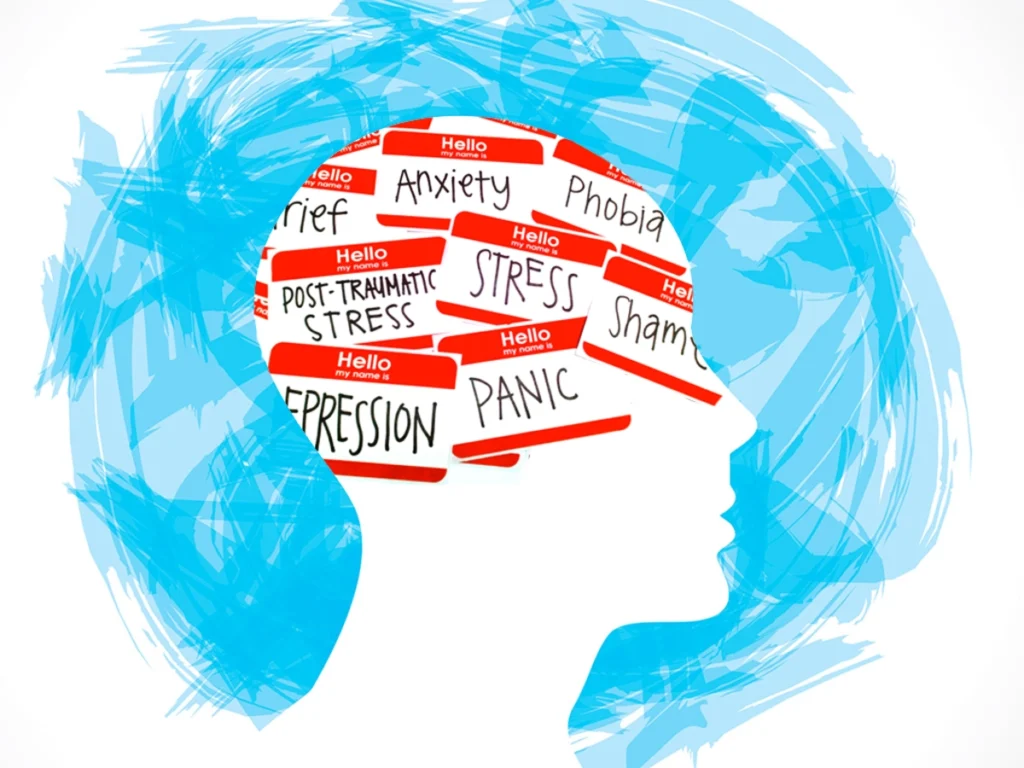
Understanding men’s mental health concerns can be difficult because of the persistent stigma that many men and boys face when trying to reach out for help. Society often expects men to hide emotions and just “man up” or “be strong,” making acknowledging a mental health condition seem like a sign of weakness or a lack of masculinity. For some, struggling with mental health conditions feels like a personal weakness, unlike physical health conditions such as a broken arm that clearly require a doctor’s help. This shame can prevent men from contacting a therapist, even though seeking support is a strong, necessary step.
The statistics of men’s mental health
Men’s mental health faces unique challenges worldwide, with men less likely than women to seek help despite facing serious risks. Understanding the statistics reveals a critical gap in support and access to mental health services, emphasizing the urgent need to prioritize men’s well-being.
- According to the National Institute of Mental Health, in 2021, about 51.7% of women reported experiencing a mental health condition, compared to only 40% of men.
- This gap is often linked to men being less likely to open up and reach out for support or mental health services.
- The Centers for Disease Control and Prevention (CDC) reports that the suicide rate among males in the United States is four times higher than that of females in 2021.
- Men account for nearly 80% of all suicides, highlighting a critical issue that organizations focused on men’s mental health are working to address.
- Factors such as substance misuse, challenges in accessing mental health care, and the difficulty men face in seeking help contribute to this crisis.
- Worldwide, insufficient funding and a lack of prioritization for men’s mental health continue to hinder progress in supporting men’s well-being.
Intersectionality and men’s mental health
- Men’s mental health conditions can disproportionately affect men based on intersecting identities.
- The CDC reports that LGBTQ+ men experience higher rates of mental health conditions than their straight, cis counterparts.
- Adults with disabilities face frequent mental health distress nearly five times more than adults without disabilities.
- BIPOC men (Black, Indigenous, People of Color) often have less access to mental health care and community support compared to white men.
- Research and clinical findings typically focus on the binary of male and female, missing the specificity needed for groups like transgender, nonbinary, gender nonconforming, genderqueer, agender, and genderless individuals.
- Inclusive data and studies are essential to fully understand and support the diverse experiences within men’s mental health.
Common Challenges & Signs
- Recognizing signs in yourself or others is the first step to healing.
- Men often struggle to express distress, showing anger, irritability, or aggression.
- Warning signs include substance use, social withdrawal, and risky behaviors.
- Physical symptoms like fatigue, aches, and changes in sleep or appetite may appear.
- Emotional concealment leads to numbness, detachment, and avoiding feelings.
- Functional decline includes loss of interest, poor concentration, and neglecting duties.

Essential Resources for Men’s Mental Well-being
- Access men’s mental health resources for support, guidance, and treatment.
- Use National Helplines like the 988 Suicide & Crisis Lifeline to call or text 988 for immediate support.
- Connect with NAMI (National Alliance on Mental Illness) for information, support groups, and other resources.
- Reach out to the SAMHSA National Helpline at 1-800-662-HELP, a free, confidential treatment referral and information service.
- Explore organizations dedicated to men’s mental health such as Movember, focused on men’s health, mental health, and suicide prevention.
- Use platforms like Man Therapy, which use humor to engage men in mental health discussions.
- Visit HeadsUpGuys for trusted resources and information specifically for men dealing with depression.
Ready to Take the Next Step?
June, as men’s mental health month, is the perfect time for prioritizing your mental well-being or encouraging a friend or family member to do the same. Taking the powerful act of seeking support shows true strength—whether for yourself or someone you care about. With abundant resources and growing understanding, no one has to navigate alone on this journey. Access comprehensive mental health resources to find a therapist, connect with organizations focused on men’s well-being, or become a patient by scheduling a consultation. Together, we can learn more about available services and build a culture where mental health is truly understood, prioritized, and fully supported. Just as there are top health and wellness tips for supporting women’s mental well-being, it’s equally important to focus on men’s mental health to ensure everyone’s needs are met.
FAQs about Men’s Mental Health
What month is men’s mental health?
Men’s Mental Health Awareness Month is observed in June, which is also recognized as Men’s Health Awareness Month.
What is November men’s Mental Health Month?
Men’s Mental Health Awareness Month in November focuses on raising awareness about the unique mental health challenges that men face. It aims to break stigma, promote men’s mental well-being, encourage open conversations, and provide resources for those who are struggling.
Is it mens mental health month in the UK?
Yes, in the UK, Men’s Mental Health Awareness Month is observed in November to highlight that men face disproportionately high rates of suicide, with death by suicide being the biggest killer of men under age 50.
What are the signs of mental health in men?
Signs of mental health issues in men often include symptoms like anger, irritability, and aggressiveness. You may notice noticeable changes in mood, energy level, and appetite, along with difficulty sleeping or sleeping too much. Other signs include difficulty concentrating, feeling restless or on edge, increased worry, and feeling stressed. Sometimes, men may also show misuse of alcohol or drugs as a way to cope.
What is the biggest mental health issue for men?
The biggest mental health issue for men is depression, often referred to as male depression, which is one of the most common and serious men’s mental health issues.
What is the symbol for men’s mental health?
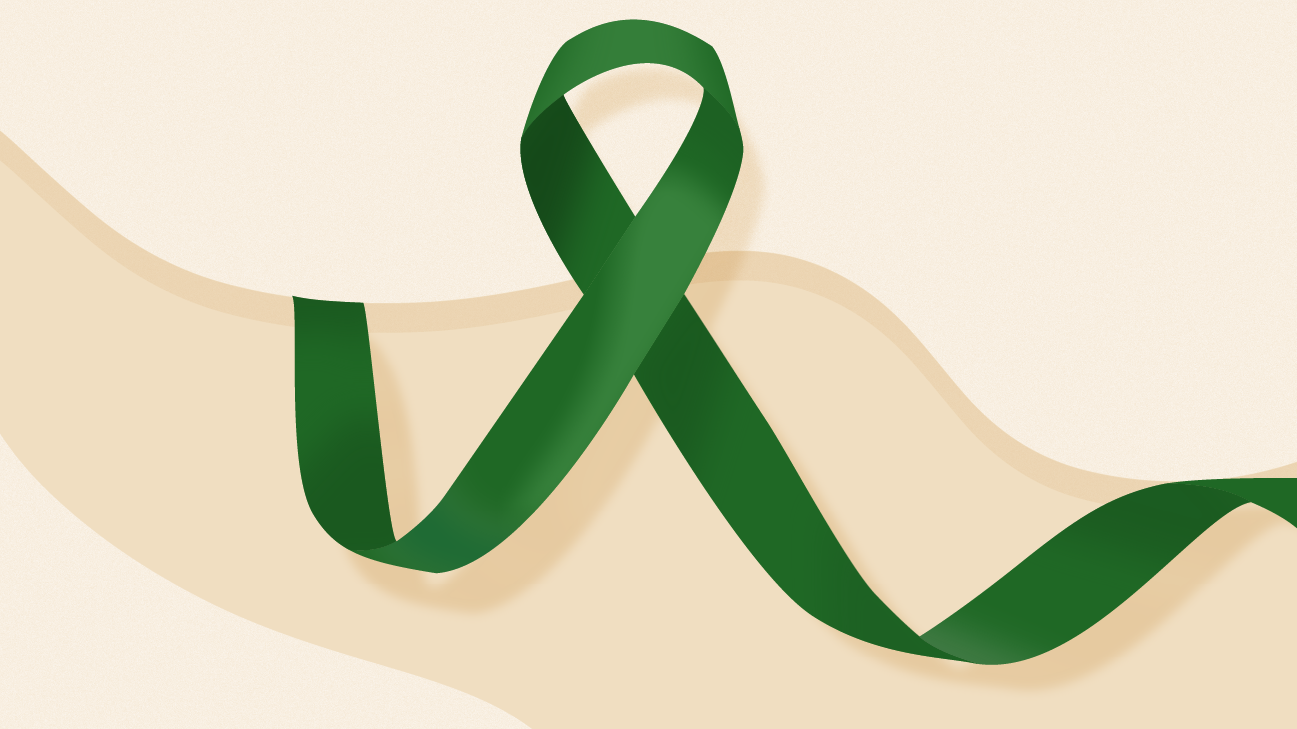
The green ribbon is the international symbol for men’s mental health awareness. Wearing it shows care and support for colleagues and loved ones, and honors their struggles and memory.

[…] For More Information About Men Mental Health Tips Check Out NOW. […]
[…] communication, anxiety unpacking, and development of healthy coping mechanisms that improve both men’s mental health and women’s mental health. Whether through online therapy or in-person sessions, accessing mental […]
[…] to a group or community that values mental health awareness can give these tattoos a sense of membership and status, turning them into badges of honor that show […]